Kremlin Watchers Puzzled by Lavrov's Disappearance
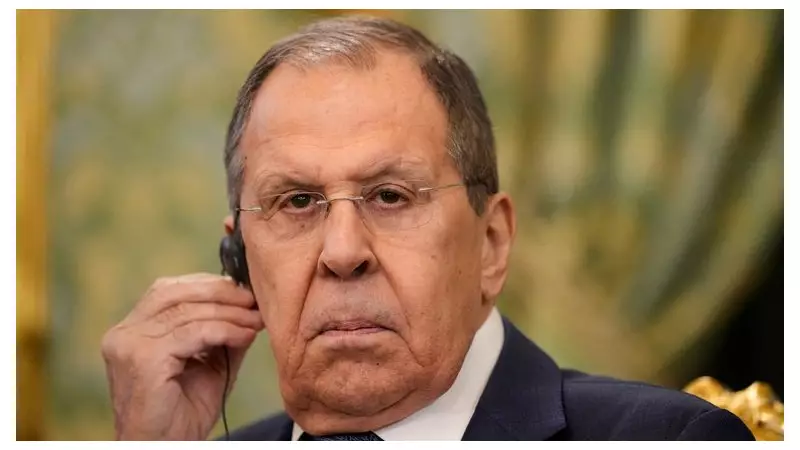
Western analysts scrutinising the Kremlin's inner workings have been thrown into a frenzy by the conspicuous absence of Russia's veteran foreign minister, Sergei Lavrov, from two significant events. The veteran diplomat was missing from a landmark meeting of Russia's Security Council on Wednesday, where President Vladimir Putin instructed officials to draft proposals for potential nuclear weapons tests.
Lavrov was the only permanent member of the Security Council not present for this critical discussion, a gathering where his expertise would typically be considered essential. Russian business daily Kommersant described his absence as "coordinated," but provided no further explanation.
Mounting Evidence of a Shift
The speculation intensified when it was revealed that a more junior official would lead the Russian delegation at the upcoming G20 summit, a role Lavrov has fulfilled in recent years. This dual absence from both a key domestic security meeting and a major international forum has forced Kremlin officials to publicly deny that Moscow's top diplomat has been sidelined.
According to diplomatic sources, rumours of a rift have been building since last month, when a planned summit between Donald Trump and Vladimir Putin in Budapest was called off. The cancellation followed a phone call between Lavrov and US Secretary of State Marco Rubio. The Financial Times reported that Lavrov's uncompromising stance during the call prompted the White House to put the summit on ice.
Conversations with diplomatic insiders at the time suggested a belief that Lavrov had either made a significant error or deliberately deviated from the Kremlin's script. Whether accidental or intentional, his approach effectively torpedoed the summit and stalled a potential US-Russia rapprochement.
The Consequences of Uncompromising Diplomacy
This outcome would have angered Putin, who is known to be keen on engaging with Washington, particularly on issues like Ukraine and nuclear arms control. More critically for the Russian president, it created a perception that he was unable to control his own foreign minister, making him appear weak.
Vladimir Putin is not a leader who tolerates being undermined. His management style echoes the famous rule of football manager Sir Alex Ferguson: never allow a player to become bigger than the club. In Putin's Kremlin, loyalty is valued above all else.
If Lavrov has indeed been sidelined, it marks a significant moment in Russian politics. The 75-year-old has been the face of Russian diplomacy for more than two decades and has effectively served as Putin's right-hand man throughout most of his rule. Known for his abrasive style and sharp putdowns, Lavrov has been a vocal supporter of Russia's invasion of Ukraine.
His absence raises serious questions about the future direction of Russian foreign policy and the stability of positions within Putin's inner circle, demonstrating that even the most established figures are not immune to sudden changes in favour.