Unlikely Envoy Reveals Vance's Growing Influence in Ukraine Negotiations
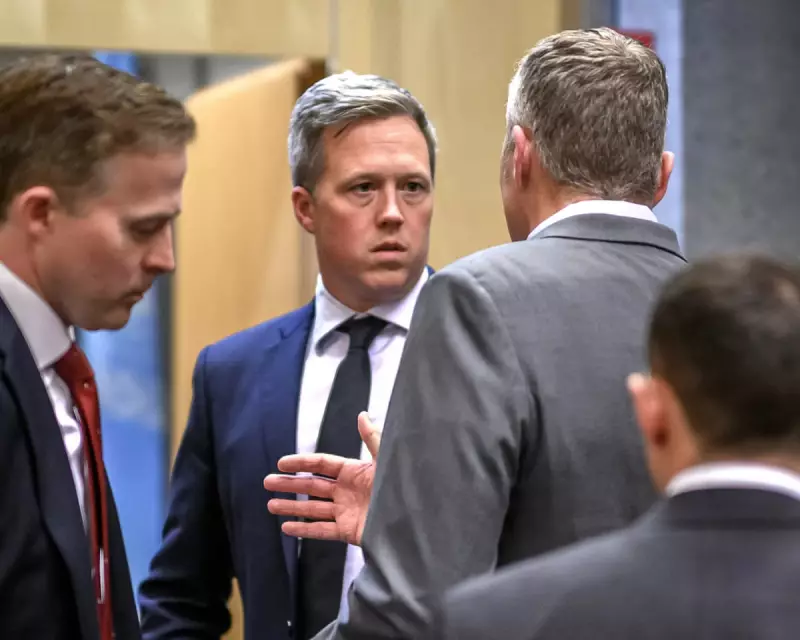
United States Army Secretary Daniel Driscoll has emerged as an unexpected figure in the Trump administration's latest push to end the Russian invasion of Ukraine, with his close ties to Vice President JD Vance highlighting the growing influence of isolationist voices within American foreign policy.
The surprising appointment of Driscoll as an envoy for the new peace proposal comes despite his lack of experience in international negotiations. His early efforts to present the deal to European policymakers were described as particularly turbulent, raising questions about the administration's diplomatic strategy.
The Vance Connection and Peace Plan Controversy
Daniel Driscoll's relationship with JD Vance dates back to their time together at Yale University, where they developed a close friendship that now appears to be shaping US policy towards Ukraine. This connection signals the resurgence of the Eurosceptic vice president in critical negotiations to resolve the ongoing crisis.
The peace framework, developed by Trump envoy Steve Witkoff and the president's son-in-law Jared Kushner together with Kremlin representative Kirill Dmitriev, has drawn significant criticism for closely resembling Vladimir Putin's maximalist demands. Ukrainian officials have privately described the proposal as amounting to "capitulation" rather than genuine peace.
Vance has become one of the most vocal supporters of the plan within the administration, using social media over the weekend to defend the framework against mounting criticism. He argued that any workable peace deal must establish a ceasefire that respects Ukrainian sovereignty while being acceptable to both warring parties.
Administration Divisions and Diplomatic Tensions
The proposal has exposed clear divisions within the Trump administration, with Secretary of State Marco Rubio initially offering only lukewarm support. Rubio's early statements described the plan as merely "a list of potential ideas" rather than a formal administration position, though he later moved to align himself more closely with the official line.
According to sources familiar with the negotiations, President Trump has tasked his team with securing Ukrainian signatures on the peace deal before Thanksgiving this Thursday, creating significant pressure on both American and Ukrainian diplomats. The tight deadline has raised concerns among European allies about the thoroughness of the negotiation process.
Vance's involvement in Ukraine policy isn't new - he previously intervened during Ukrainian President Volodymyr Zelenskyy's difficult first visit to the Trump White House in March, demanding that the Ukrainian leader show Trump more respect. That earlier confrontation foreshadowed the current tensions in US-Ukraine relations.
The Geneva meetings this weekend saw US officials attempting to moderate the initial 28-point peace plan to make it more palatable to Ukrainian leaders. However, the fundamental framework remains largely unchanged, maintaining provisions that critics argue favour Russian interests.
As the Thanksgiving deadline approaches, the diplomatic manoeuvring continues, with Vance's camp pushing for rapid acceptance of the proposal while traditional foreign policy hawks within the administration express private reservations about the deal's long-term implications for European security.