Senior United States officials have delivered a stark warning to Ukrainian president Volodymyr Zelenskyy during tense discussions with Nato allies in Kyiv, urging him to accept a peace agreement with Russia within days or face significantly worse terms in the future.
Sombre Meeting in Kyiv
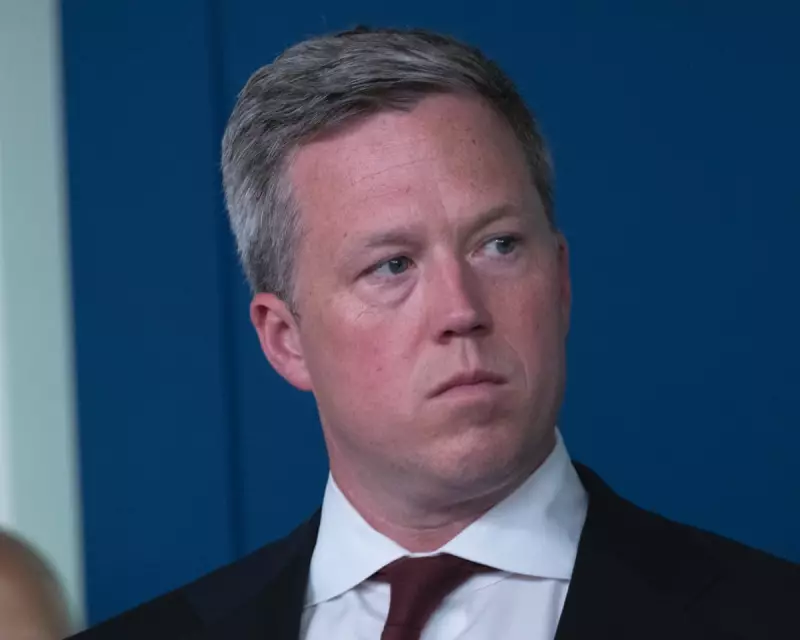
US Army Secretary Dan Driscoll conducted a sobering briefing for ambassadors from Nato countries during a late Friday meeting in the Ukrainian capital. The gathering followed Driscoll's discussions with President Zelenskyy and a direct phone consultation with the White House.
"No deal is perfect, but it must be done sooner rather than later," Driscoll told the assembled diplomats, according to an attendee who witnessed the exchange. The atmosphere throughout the meeting was described as profoundly sombre, with multiple European representatives questioning both the substance of the proposed agreement and the United States' handling of negotiations with Moscow.
Controversial Deal Terms
The peace arrangement currently under consideration contains several provisions likely to prove deeply problematic for Kyiv. These include requirements for Ukraine to relinquish territories currently occupied by Russian forces, alongside additional concessions of land that remain under Ukrainian control.
Perhaps most controversially, the proposal suggests implementing a comprehensive amnesty for all war crimes committed throughout the conflict. This aspect has raised particular concern among European allies who fear Russia has exerted excessive influence in drafting the agreement.
President Zelenskyy acknowledged the gravity of the situation in a video address to the nation, describing this as "one of the most difficult moments of our history" and presenting Ukraine with an agonising choice between "losing our dignity or losing a key ally."
Secretive Negotiations Cause Alarm
The revelation of American peace plans earlier this week caught other Ukrainian allies completely by surprise, with key partners kept uninformed about both the content and structure of the proposed settlement. This secrecy has generated substantial unease throughout European diplomatic circles.
Driscoll defended the exclusion of allies from negotiation processes, arguing that limiting participation made the proceedings "more manageable." He elaborated that "President Trump wants peace now. The more cooks in the kitchen, the harder it is to handle," according to the source present at the discussions.
Julie Davis, the US chargé d'affaires in Kyiv, who also attended the meeting, reinforced the American position by telling fellow diplomats that although the agreement terms are punishing for Ukraine, the alternative of refusal would prove even more severe. "The deal does not get better from here, it gets worse," she cautioned.
The Trump administration is reportedly keen to secure Zelenskyy's agreement by Thanksgiving, which falls this coming Thursday. Davis characterised the president's approach as pursuing an "aggressive timeline" to finalise the arrangement, describing the current diplomatic activity as the "most ambitious" she has witnessed throughout her foreign service career.
The proposed peace plan was reportedly drafted by Trump aide Steve Witkoff and Kremlin adviser Kirill Dmitriev, a relationship that has emerged as a crucial backchannel between Washington and Moscow. Russian president Vladimir Putin confirmed on Friday that Moscow has received a copy of the proposal, stating he believes it "can be used as the basis for a final peaceful settlement."
Driscoll, a close associate of US Vice-President JD Vance who has only recently assumed responsibility for Ukrainian matters, is expected to travel to Russia shortly to discuss the plan further.