US and Ukrainian Negotiators Convene in Geneva for Critical Peace Discussions
American and Ukrainian diplomatic representatives have gathered in Geneva, Switzerland, for another round of high-stakes negotiations aimed at finding a resolution to end the ongoing Russian invasion of Ukraine. This crucial meeting unfolds against a backdrop of relentless military aggression, with Russian forces continuing their assault on Ukrainian urban centers.
Overnight Strikes Cause Significant Casualties and Damage
In the latest wave of attacks, Russian military operations have resulted in at least twenty-three individuals sustaining injuries. The assault involved a massive deployment of weaponry, including four hundred and twenty drones and thirty-nine missiles targeting various locations across Ukraine. Ukrainian Foreign Minister Andrii Sybiha condemned these actions, stating emphatically, "When the whole world demands Moscow to finally stop this senseless war, Putin bets on more terror, attacks, and aggression."
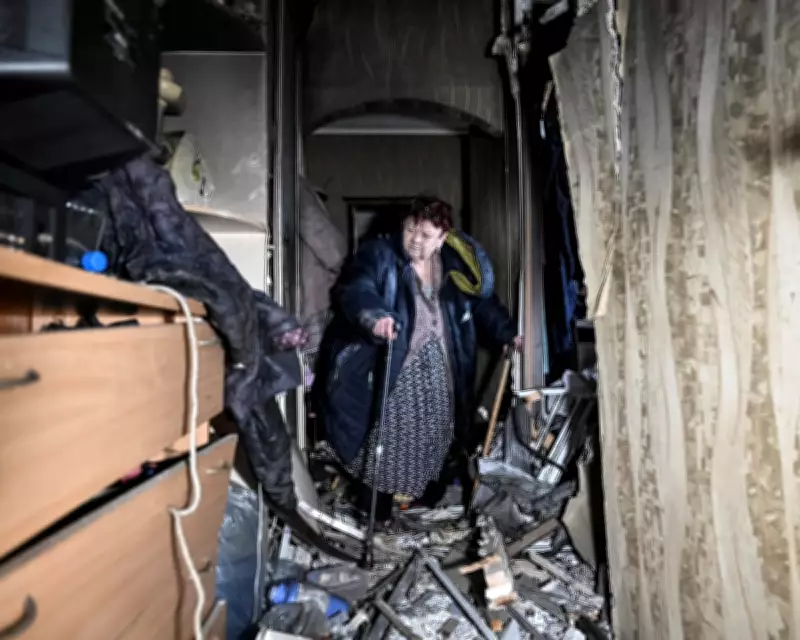
Visual evidence from the conflict zone reveals the devastating impact of these strikes. Photographs from Zaporizhzhia, Ukraine, show the interior of a residential apartment building severely damaged by a Russian drone strike, highlighting the civilian toll of the ongoing hostilities.

Hungarian Prime Minister Viktor Orbán Intensifies Allegations Against Ukraine
Meanwhile, Hungarian leader Viktor Orbán appears to be significantly escalating his rhetorical offensive against Ukraine. He has made unsubstantiated claims suggesting that the war-torn nation might be plotting to disrupt Hungary's energy infrastructure. This morning, Orbán published an open letter addressed to Ukrainian President Volodymyr Zelenskyy, accusing him of "working to force Hungary into the war between your country and Russia" for years, allegedly with backing from European Union institutions and Hungarian opposition groups.
In a separate radio interview excerpt, Orbán further alleged that he had always anticipated Ukraine would employ "dirty tricks," conspiring to "create chaos and supply insecurity" within Hungary's energy sector. The government in Kyiv has consistently and forcefully denied all of Orbán's accusations, attributing any disruptions to oil transit via the Druzhba pipeline exclusively to damages caused by Russian military strikes.
Political Context: Hungary's Approaching Parliamentary Election
The Hungarian prime minister's increasingly hardened language coincides with the approaching parliamentary election scheduled for 12 April 2026. This pivotal vote could potentially end Orbán's sixteen-year tenure in power, as recent polling data indicates he trails the opposition party Tisza, led by Péter Magyar, by a substantial margin of up to twenty percentage points among decided voters.
Responding to the situation, Ukrainian Foreign Minister Sybiha remarked this morning, "It is unacceptable when certain blackmailers in the EU not only block decisions needed for collective defence, but also threaten to halt some energy supplies to Ukraine at a time when our country's energy system is being brutally bombed."
This is Europe Live, reporting on Thursday, 26 February 2026. Good morning.