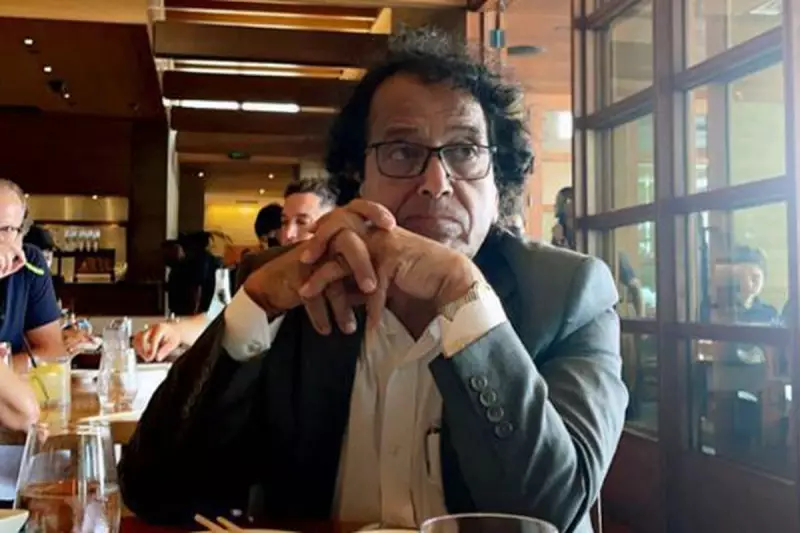
After four years of detention, American retiree Saad Almadi has finally been released by Saudi Arabia and is returning to his home in Florida. The 75-year-old dual citizen had been imprisoned since 2021 for posting tweets critical of the Riyadh government.
The Case That Captured International Attention
Saad Almadi, a retired engineer who had lived in the United States since the 1970s, was originally sentenced to an astonishing 19 years in prison for writing just 14 tweets that expressed disapproval of Saudi government policies. The charges were later reduced to "cyber crimes," but he still faced a 30-year travel ban from the kingdom.
The announcement of Almadi's release came shortly after Saudi Crown Prince and Prime Minister Mohammed bin Salman met with former President Donald Trump at the White House. Almadi's freedom was granted five months ahead of the scheduled lifting of his travel restrictions.
Family's Emotional Response and Political Thanks
"Our family is overjoyed that, after four long years, our father, Saad Almadi, is finally on his way home to the United States!" the Almadi family declared in an emotional statement.
The family specifically thanked President Donald Trump and his administration for their role in securing Almadi's release. "This day would not have been possible without President Donald Trump and the tireless efforts of his administration," the statement continued, noting the involvement of Dr Sebastian Gorka from the National Security Council and officials at the State Department.
Ibrahim Almadi, Saad's son, also expressed gratitude to several non-profit organizations including the James Foley Fund and Hostages America, as well as House Speaker Mike Johnson for supporting his father's cause.
Controversial Tweets and Khashoggi Connection
The case against Almadi centred on social media posts where he allegedly encouraged Saudi citizens to seek Lebanese citizenship and criticised the kingdom's defences against Houthi rocket strikes. More controversially, he expressed approval for the renaming of a street in Washington DC after Jamal Khashoggi, the journalist killed in the Saudi consulate in Istanbul in 2018.
US intelligence reports released by the Biden administration had previously assessed that Crown Prince Mohammed bin Salman approved a plan to "capture or kill" Khashoggi. When questioned about the killing, Trump stated the crown prince "knew nothing" of Khashoggi's murder, while the Saudi leader called the incident "painful" and a "huge mistake."
Almadi represents one of several American dual citizens facing exit bans from Saudi Arabia following the kingdom's crackdown on online dissent. His son had previously claimed that Almadi was pressured to sign papers renouncing his US citizenship during his detention.
The resolution of Almadi's case comes after mounting US pressure since Trump's trip to Saudi Arabia in May, with many appealing to Trump's claim of unique success in repatriating US citizens detained overseas.