American diplomats have reported making substantial headway in peace negotiations aimed at ending the conflict in Ukraine, though officials acknowledge further discussions are necessary before reaching a final agreement.
Breakthrough Discussions in Switzerland
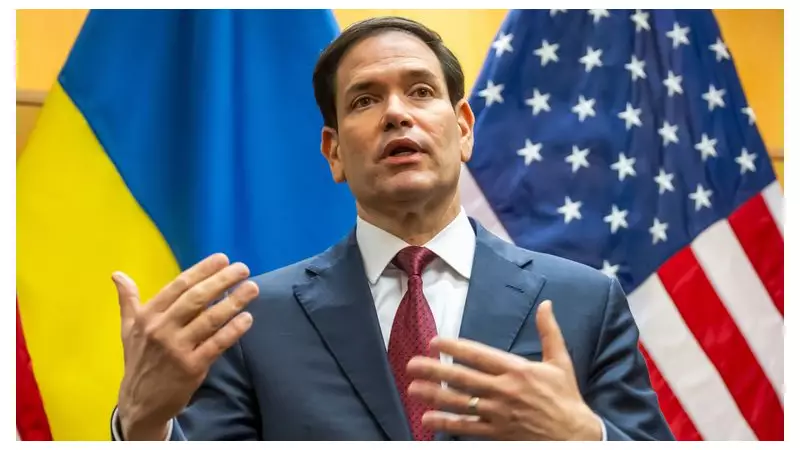
US Secretary of State Marco Rubio described Sunday's meetings in Geneva as "the most productive and meaningful" sessions held throughout the entire peace process. The high-level talks between American and Ukrainian delegations occurred on Sunday 23rd November 2025, marking what participants called a significant step forward.
Speaking to journalists after the negotiations, Mr Rubio struck an optimistic tone while remaining cautious about declaring victory. "I don't want to declare victory or finality here," he stated. "There's still some work to be done, but we are much further ahead today at this time than we were when we began this morning and where we were a week ago for certain."
Refining the Peace Proposal
The American delegation revealed they are making "some changes" to the existing peace plan, apparently incorporating suggestions from Ukrainian officials. These adjustments aim to narrow differences between the parties and develop a proposal that both Ukraine and the United States can fully support.
Mr Rubio emphasised the positive attitude displayed by Ukrainian negotiators during the talks, noting that President Donald Trump was "quite pleased" with the progress. This marks a notable shift from previous tensions, when Mr Trump had publicly criticised Ukrainian leaders for showing "ZERO GRATITUDE" for American efforts.
Ukrainian President Volodymyr Zelenskyy echoed this improved diplomatic atmosphere in his nightly address, acknowledging there are signs that "President Trump's team hears us" following what he described as a day of "numerous meetings and negotiations."
Challenges Ahead and European Involvement
Despite the encouraging developments, significant obstacles remain. Any proposal agreed upon by American and Ukrainian negotiators would subsequently need approval from Russian officials, a stage that could prove considerably more challenging given Moscow's limited inclination thus far to end the conflict.
European leaders have presented a counter-proposal to the initially criticised US-Russian peace plan, which was originally developed without Ukrainian involvement. The European alternative includes several key elements:
- A cap on Ukraine's peacetime military forces
- Potential readmission of Russia to the G8, from which it was expelled after annexing Crimea in 2014
- US security guarantees for Ukraine mirroring NATO's Article 5 mutual defence clause
These European suggestions would require approval from the United States, Russia, and Ukraine, along with endorsement from G7 nations.
The original 28-point peace plan covered numerous contentious issues, including territorial concessions, reconstruction programmes, Ukraine's relationship with NATO and the European Union, and educational reforms in both Ukraine and Russia.
Mr Rubio concluded his remarks with cautious optimism, stating: "We just need more time than what we have today. I honestly believe we'll get there." While diplomatic progress in Geneva represents a significant step forward, the path to a comprehensive peace agreement remains lengthy and complex.