In a significant escalation of its campaign against perceived left-wing extremism, the United States government has formally designated four European anti-fascist organisations as Foreign Terrorist Organisations. The announcement, made by the US State Department on Thursday, marks the first time groups associated with the 'antifa' movement have been classified as a foreign terrorist threat.
The Designated Groups and Official Justification
The State Department's declaration targets Antifa Ost in Germany, the Italy-based International Revolutionary Front, and two Greek groups – Armed Proletarian Justice and Revolutionary Class Self Defense. In an official public statement, the department accused these organisations of "conspiring to undermine the foundations of Western Civilization through their brutal attacks".
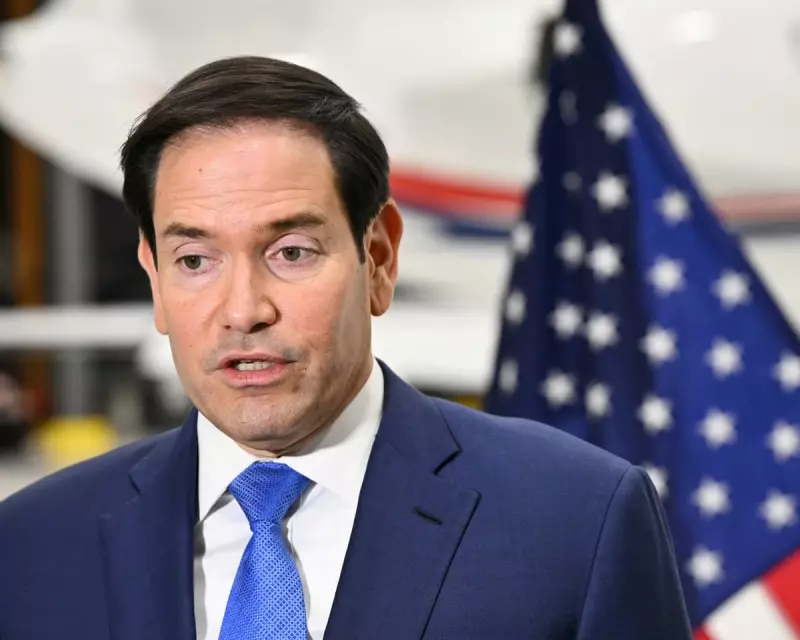
US Secretary of State Marco Rubio provided further rationale, stating, "Groups affiliated with this movement ascribe to revolutionary anarchist or Marxist ideologies, including anti-Americanism, 'anti-capitalism' and anti-Christianity, using these to incite and justify violent assaults domestically and overseas." The administration's press release cited incidents involving homemade explosive devices, shootings, and hammer attacks as the basis for the listing.
Legal Ramifications and Domestic Implications
This designation as "Specially Designated Global Terrorists" carries severe legal consequences. It permits US law enforcement agencies to employ more aggressive techniques against the groups and, critically, it extends to their perceived supporters within the United States. This allows federal authorities to use extensive surveillance and financial oversight tools against American citizens alleged to be backing these leftist causes.
Furthermore, the classification makes any financial transactions with the named organisations or their members a criminal act under US law. This move builds upon a presidential executive action from September that first declared "antifa" a "domestic terrorist organisation," with the administration blaming leftist groups for violent unrest in cities like Los Angeles, Chicago, and Portland.
Expert Criticism and Political Context
The decision has been met with scepticism and criticism from national security experts and academics. A primary concern is that 'antifa' – short for anti-fascist – lacks a clear membership or leadership structure, making the designation problematic.
Mary Bossi, an emeritus professor of international security at Piraeus University in Athens, challenged the characterisation of the Greek groups. "It is highly exaggerated to say that the antifa movement in Greece employs terror tactics," she told The Guardian. "They even run in elections and have never shown any sign of violence."
Professor Bossi suggested the move is part of a broader political strategy, adding, "It seems to me that this is part of a [Trumpian] strategy to divide the world between the 'good right' and 'bad left'. It makes no sense unless you see it in the light of blackening the name of anyone with centre left or progressive views because these guys don't advocate violence." She also noted that established terror groups historically snub the antifa movement for "talking too much."
This controversial designation signals a hardening of the US administration's stance towards left-wing activism on an international scale, a policy shift that continues to provoke intense debate about the definition of terrorism and the boundaries of political dissent.