US-Iran Negotiations Teeter on Edge as Diplomatic Rift Widens
Scheduled high-stakes talks between the United States and Iran, set for Friday, are now in serious jeopardy following a firm rejection by Washington of Tehran's dual demands. The US has refused Iran's request to move the negotiations from Turkey to Oman and has also opposed attempts to restrict the agenda exclusively to nuclear matters, thereby excluding critical issues like ballistic missile capabilities.
Venue Shift and Agenda Restrictions Spark Diplomatic Standoff
Iran has insisted that the discussions must be confined strictly to its nuclear programme, with other topics the US wishes to address—such as the range of Tehran's ballistic missiles, its sponsorship of terrorist groups across the region, and internal human rights practices—permanently off the table. Furthermore, Tehran has demanded the talks be relocated to Oman, where previous rounds have been held, arguing this is essential for progress.
This stance has created a significant impasse, as the US had anticipated a broader forum in Turkey, which included the presence of several Arab states. The disagreement raises questions about whether this dispute can be swiftly resolved or if it represents a calculated brinkmanship that mediators might still navigate.
US Secretary of State Outlines Non-Negotiable Demands
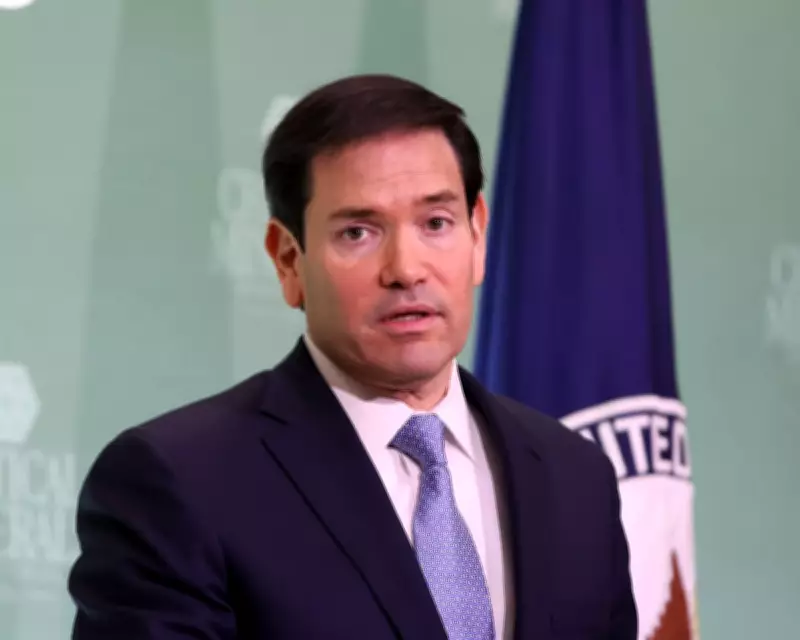
US Secretary of State Marco Rubio has been vocal in articulating Washington's position, emphasising that for talks to yield meaningful outcomes, they must encompass a comprehensive range of issues. In a statement, Rubio clarified, "In order for talks to actually lead to something meaningful, they will have to include certain things, and that includes the range of their ballistic missiles. That includes their sponsorship of terrorist organisations across the region. That includes the nuclear programme. And that includes the treatment of their own people."
Rubio added that while the US remains prepared to engage with Iran, it does not view agreeing to meet as a concession or an act of legitimisation. He noted that Iran has only shown willingness to discuss its nuclear programme, but not on US terms, which include ceasing uranium enrichment on Iranian soil and exporting enriched stockpiles out of the country.
Iran's Negotiating Position and Internal Tensions
Despite its perceived weak negotiating hand, Iran has asserted that the sole agenda item should be providing assurances that its nuclear programme lacks military objectives. Tehran had believed it secured agreement from US figures, including businessman Jared Kushner and special envoy Steve Witkoff, to these terms, but reports indicate Witkoff will travel to Doha without meeting Iranian representatives.
Internal tensions within Iran regarding its diplomatic approach have surfaced, with criticism directed at former security council secretary Ali Shamkhani for his aggressive posture. Shamkhani has warned of potential conflict and suggested Iran might only need to reduce the purity of its uranium stock, highlighting the complexities within Tehran's decision-making circles.
Broader Implications and Regional Dynamics
The US appears determined to uphold its preferred agenda and format, which had garnered support from some Arab states, believing Iran has overreached in its demands. Meanwhile, Russia has reiterated its proposal to manage Iran's uranium stockpile, though Iran insists on retaining enrichment rights domestically.
Diplomats suggest Rubio's remarks leave room for sequenced discussions, as recommended by Turkey, but ambiguity persists over what additional issues might be addressed if nuclear concerns are initially tackled. Iran had hoped the Oman talks might lead to a de-escalation agreement, but the current deadlock threatens to derail any prospect of direct dialogue, escalating regional tensions further.