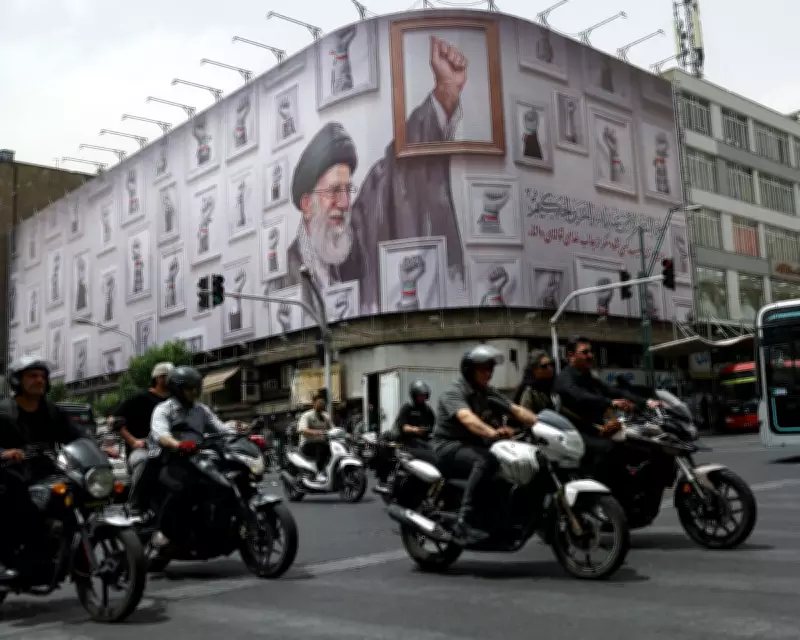
US and Iran Hold Emergency Talks Amid Hormuz Crisis
The United States and Iran have engaged in emergency negotiations to defuse escalating tensions in the strategically vital Strait of Hormuz, following a series of confrontations that have raised fears of a broader conflict in the Middle East. The talks, mediated by Oman, represent the most significant diplomatic contact between the two adversaries in months.
Background of the Crisis
The crisis began when Iranian patrol boats approached US naval vessels in the strait, leading to warnings and a brief standoff. Subsequent incidents involved the seizure of commercial tankers, prompting the US to deploy additional warships to the region. Approximately 20% of the world's oil passes through the Strait of Hormuz, making any disruption a major concern for global energy markets.
Diplomatic Efforts
Omani officials shuttled between US and Iranian representatives in Muscat, focusing on confidence-building measures. Both sides have expressed willingness to avoid military confrontation, but key differences remain, including Iran's nuclear program and US sanctions. The talks are seen as a preliminary step toward broader negotiations.
Reactions and Implications
International stakeholders, including European allies and China, have welcomed the dialogue, urging restraint. Oil prices, which had spiked due to the crisis, stabilized slightly after news of the talks emerged. However, analysts caution that the situation remains fragile, with hardliners on both sides skeptical of diplomacy.
As the talks continue, the world watches closely. The outcome could determine not only the security of the Hormuz Strait but also the future trajectory of US-Iran relations in a region already fraught with conflict.