US and Iran Engage in Indirect Nuclear Talks in Geneva
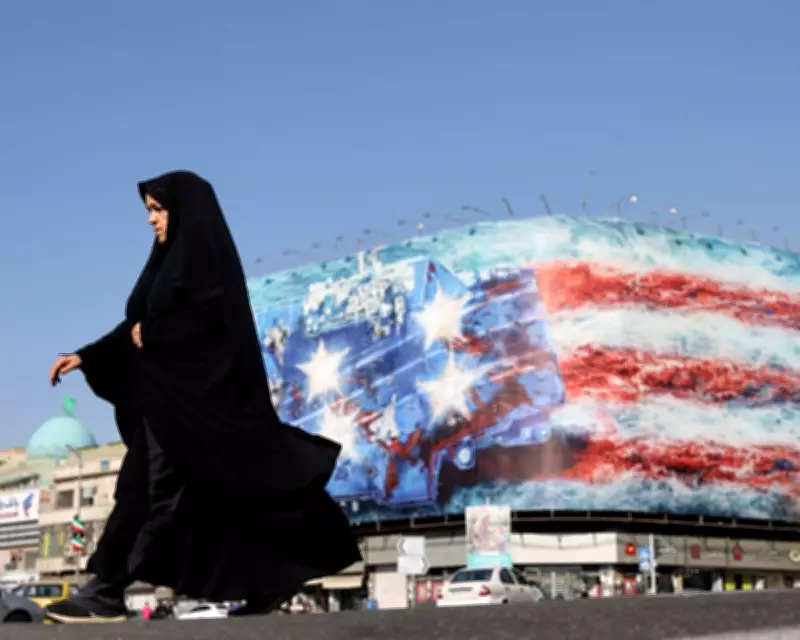
US and Iranian negotiators are convening in Geneva, Switzerland, today for a third round of indirect nuclear talks, mediated by Oman. This meeting occurs against a backdrop of significant US military deployments in the Middle East, aimed at pressuring Iran into reaching a nuclear agreement.
Background and Context of the Talks
These discussions mark the third encounter between the two nations since June of last year, following Israeli attacks on Iran that escalated into a series of retaliatory airstrikes. The talks are indirect, meaning representatives do not meet face-to-face, with Oman facilitating communication between the parties.
Iranian President Masoud Pezeshkian stated ahead of the talks that Supreme Leader Ali Khamenei has prohibited weapons of mass destruction, including nuclear arms. Khamenei, who holds ultimate authority in Iran, is believed to have issued a fatwa, or religious decree, banning such weapons, potentially as early as 2005.

US Stance and Regional Tensions
In his recent State of the Union address, US President Donald Trump accused Iran of attempting to revive its nuclear weapons program. While he did not specify plans for military action, Trump emphasized a preference for diplomatic resolution. Meanwhile, Iran asserts its right to enrich uranium for peaceful purposes, viewing it as a sovereign entitlement.
The situation is further complicated by a substantial buildup of US warships and aircraft in the region, intended to coerce Iran into compliance. Iran has warned that any US strike would provoke proportional retaliation, potentially targeting Israel as well.
Potential Consequences of Escalation
Iranian Foreign Minister Abbas Araghchi highlighted the risks, telling India Today that a conflict would be devastating and yield no victors. This underscores the high stakes of the Geneva talks, as failure could lead to heightened military confrontations in an already volatile Middle East.
The outcome of these negotiations is critical, with both sides positioning themselves amid deep-seated mistrust and geopolitical rivalries. The international community watches closely, hoping for a breakthrough that averts further escalation.