US-Iran Nuclear Negotiations Conclude Without Breakthrough
High-stakes diplomatic talks between the United States and Iran regarding Tehran's nuclear program concluded on Thursday without reaching a formal agreement. The negotiations unfolded against a backdrop of escalating tensions, with the White House reportedly weighing military options that could represent its most significant intervention in the Middle East in decades.
Omani Mediation and Cautious Optimism
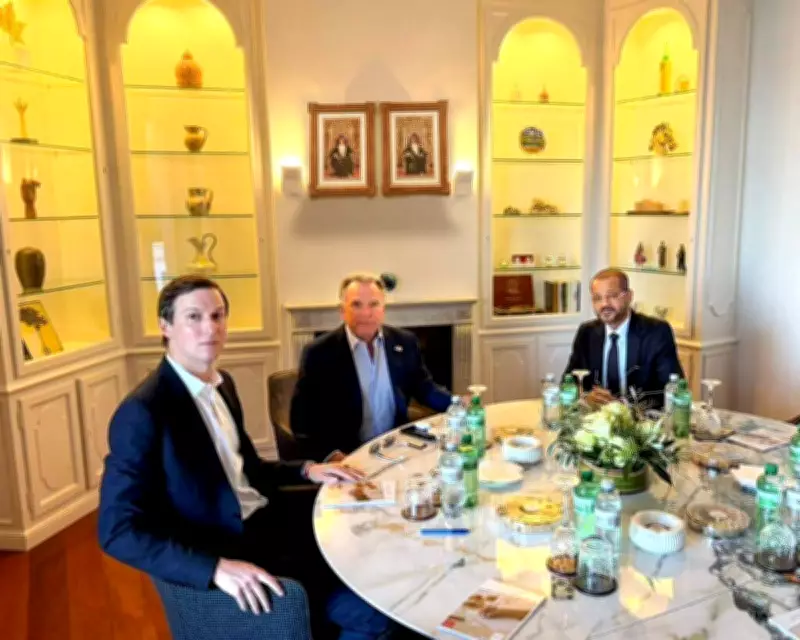
The indirect discussions in Geneva involved two separate sessions, facilitated by Omani officials. Oman's Minister of Foreign Affairs, Sayyid Badr bin Hamad Al Busaidi, hosted a meeting with White House Special Envoy Steve Witkoff and senior advisor Jared Kushner as part of the broader negotiation framework.
Following the talks, Iranian Foreign Minister Abbas Araghchi stated that "good progress" had been achieved. Omani mediators echoed this sentiment, predicting that negotiations would reconvene at a technical level in Vienna within the next week. Araghchi later confirmed that further diplomatic contacts were expected to occur in less than seven days.
Fundamental Disagreements Remain Unresolved
Despite these optimistic statements, there was no immediate evidence suggesting that the two sides had bridged their fundamental differences. The core issues of Iran's right to enrich uranium and the future management of its highly enriched uranium stockpiles remained contentious points of disagreement.
Observers noted that the brevity of the second negotiation session appeared ominous, with reports indicating that the US delegation, led by Special Envoy Steve Witkoff, had expressed disappointment with the proposals presented by Iranian representatives.
Military Threat Shadows Diplomatic Efforts
The diplomatic impasse occurs as the United States has massed significant military assets in the region, including aircraft and warships. The potential for military strikes has created a tense atmosphere surrounding the negotiations, with mediators likely emphasizing hopeful outcomes to de-escalate the situation.
The Iranian and Omani officials attempted to cast the talks in a positive light, possibly as a strategic effort to avert the growing threat of US military action. This delicate balance between diplomatic engagement and military posturing defines the current state of US-Iran relations.
Broader Political Context
These nuclear negotiations unfold within a complex political landscape for the Trump administration. Separate developments include congressional investigations into Jeffrey Epstein's connections, immigration enforcement controversies, and ongoing political disputes between Democratic and Republican factions.
The outcome of these nuclear talks will significantly influence regional stability and international non-proliferation efforts, with all parties monitoring the situation closely as technical-level discussions prepare to resume in Vienna.