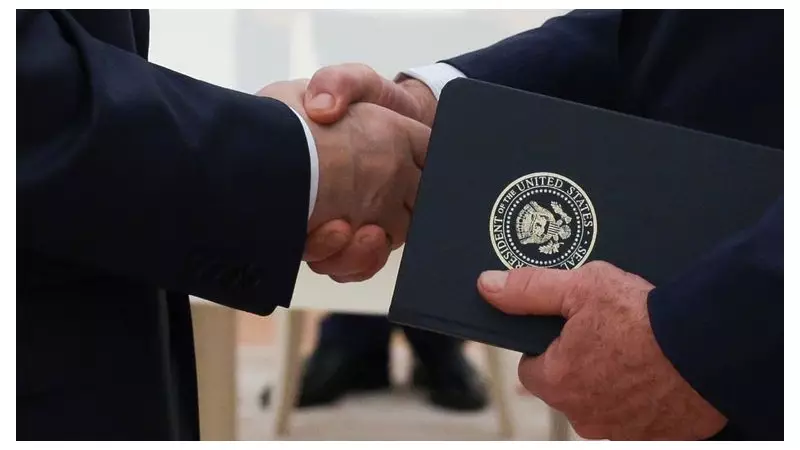
The latest American diplomatic mission to Moscow concluded with lavish hospitality but no tangible progress towards ending the war in Ukraine. Envoys Steve Witkoff and Jared Kushner were given a red-carpet welcome on Wednesday, 3 December 2025, yet left empty-handed after a lengthy Kremlin meeting where President Vladimir Putin rejected their proposed peace initiative.
A Touristic Welcome and a Strategic Snub
The US delegation's visit was marked by conspicuous opulence. Upon arrival, they were whisked from the airport in a motorcade, treated to lunch at a Michelin-starred restaurant, and even taken for a stroll around Red Square. This VIP treatment, however, contrasted sharply with the substantive outcome of their trip.
More than six hours after landing, talks finally began inside the Kremlin. President Putin made it clear that Russia would not agree to the latest American peace plan, instead blaming European allies of Ukraine for blocking the peace process by making demands he labelled unacceptable to Moscow.
Russia's Battlefield Message and Diplomatic Strategy
Analysts view the cordial reception of the Americans as a deliberate Russian strategy to drive a wedge between the United States and its NATO allies in Europe. The hospitality shown in Moscow stands in stark contrast to the Kremlin's hostility towards European capitals.
This diplomatic manoeuvre was underscored by a military signal. On the eve of the US visit, Russia announced the capture of Pokrovsk, a key strategic target in the Donetsk region. This was widely interpreted as a message designed to assert Russian dominance on the battlefield and strengthen its negotiating position, not weaken it.
Russia is now pushing to return to a previous 28-point peace plan that heavily favoured its own demands, a position it feels is justified by its recent military gains.
An Asymmetrical Diplomatic Dance
The conduct of recent negotiations itself reveals a perceived power imbalance. In dealings with Ukraine, the United States has consistently compelled Ukrainian officials to travel for talks, first to Geneva and then to Florida.
The dynamic with Russia is reversed. Steve Witkoff willingly undertook the long overnight journey to Moscow and endured a significant wait before his audience with Putin. This pattern, repeated throughout the peace process, suggests to many observers that Washington defaults to a position of placating Moscow rather than applying concerted pressure.
The Kremlin stated that both sides agreed not to disclose the details of the talks. For Ukrainian President Volodymyr Zelenskyy, the spectacle of American envoys being feted in Moscow while his nation fights is unlikely to inspire hope for a swift or favourable resolution to the conflict.