The United Nations humanitarian affairs chief has described Sudan as the 'epicentre of suffering in the world', painting a devastating picture of a nation torn apart by civil war.
Tom Fletcher, the UN's under-secretary-general for humanitarian affairs, told Sky News the situation is 'utterly grim' and 'horrifying', with approximately 12 million people displaced and at least 40,000 killed since conflict began in April 2023. Aid groups warn the true death toll is likely far greater.
A Nation in Agony
The war between the Sudanese army and the paramilitary Rapid Support Forces (RSF) - former allies - started in Khartoum but has since spread across the country, inflicting 'almost unimaginable misery'. Famine has been declared in some regions, and Fletcher reported a 'sense of rampant brutality and impunity'.
'I spoke to so many people who told me stories of mass executions, mass rape, sexual violence being weaponised as part of the conflict,' he stated during his interview with Sky's The World With Yalda Hakim.
Al Fashir: A City Transformed into a Crime Scene
The capture of Al Fashir, the capital of North Darfur state, by the RSF last month after an 18-month siege marks a particularly dark chapter. The UN and aid groups report that hundreds have been killed and tens of thousands forced to flee the city.
The violence has been extreme. The World Health Organisation stated that more than 450 people were reportedly killed at a single maternity hospital. Aid workers and displaced people describe RSF fighters going house-to-house to murder civilians and committing widespread sexual assault and rape.
Fletcher revealed the chilling detail that blood from mass killings is visible in satellite images of the area, provided by Yale's Humanitarian Research Lab. 'Al Fashir is a crime scene right now,' he declared, urging for investigative teams to document the atrocities.
Those attempting to escape face further horrors. Fletcher shared the account of one woman who, while carrying her dead neighbour's malnourished child to safety, was herself attacked on the road as she fled towards Tawila. The escape routes are through areas with no access to food, water, or medical assistance.
The Innocent Bear the Brunt
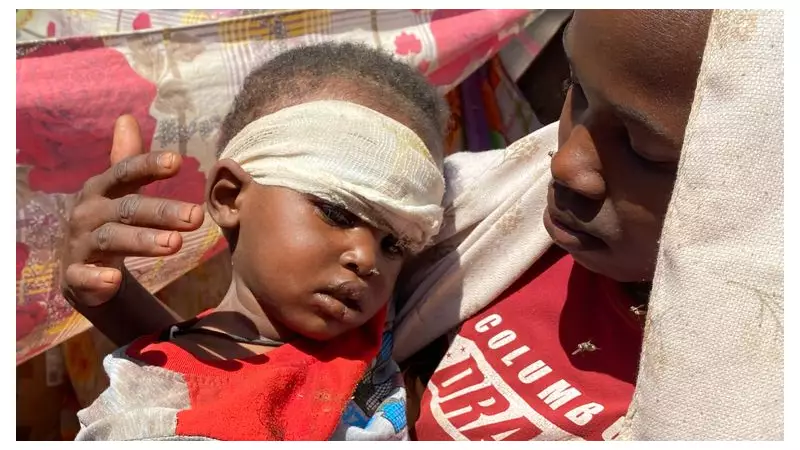
Children have been disproportionately affected by the conflict. Fletcher emphasised that they have 'borne the brunt', constituting one in five of those killed in Al Fashir.
He recounted a poignant encounter with a six-year-old boy who recoiled in fear when Fletcher gestured towards a Manchester City logo on his shirt. 'What has he seen and experienced to be that terrified of other people?' he asked, highlighting the profound psychological trauma inflicted on the youngest survivors.
Despite some recent diplomatic engagement from a 'quad' of nations - Egypt, America, Saudi Arabia, and the UAE - Fletcher is calling for a 'much more vigorous, energised diplomacy' to end the fighting. He maintains daily contact with envoys, including the White House's Dr Massad Boulos, but stresses that sustained effort and creativity are crucial.
'This can't be so complex, so difficult, that the world can't fix it,' Fletcher told Sky News.
However, hopes for peace remain dim. Sudan's military leader, General Abdel-Fattah Burhan, stated unequivocally on Friday that his forces will not stop 'until the RSF is wiped out'. He called on all Sudanese to join the fight, signalling a grim determination to continue the war despite numerous failed ceasefire agreements over the past two and a half years.