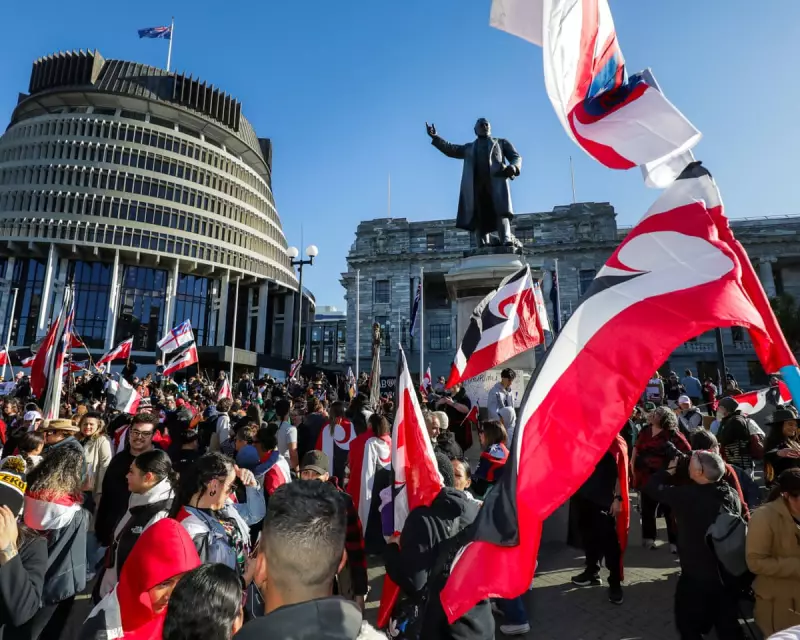
A major United Nations report has delivered a stinging rebuke to the New Zealand government, accusing it of backsliding on its commitments to the indigenous Māori population and violating the nation's foundational treaty.
A Scathing Assessment from the UN Committee
The UN Committee on the Elimination of Racial Discrimination (CERD) published its findings on 8 December 2025, following a periodic review. The committee expressed profound concern over the "dismantling" of policies designed to advance Māori rights and the government's failure to uphold the principles of the Treaty of Waitangi, signed in 1840.
The report highlighted specific government actions that have drawn international condemnation. These include the controversial proposal to redefine the principles of the Treaty of Waitangi, a move critics argue undermines its original intent and partnership. Furthermore, the committee slammed the disestablishment of the Māori Health Authority, a body created to address stark health inequities, and the repeal of legislation promoting the use of the Māori language, te reo, in the public sector.
Specific Concerns and Government Actions Under Fire
The CERD committee did not mince words, detailing a pattern of regression. It stated that these recent policy shifts contravene New Zealand's international legal obligations under the International Convention on the Elimination of All Forms of Racial Discrimination.
Beyond specific legislative rollbacks, the UN body raised alarms about the broader socio-economic landscape. It pointed to the persistent and severe inequalities faced by Māori people in critical areas including health, education, housing, and the justice system. The report directly linked these disparities to structural racism and the failure to properly implement the Treaty of Waitangi.
In a significant move, the committee has called for New Zealand to halt all policies and political rhetoric that negatively target the Māori people. It issued a series of urgent recommendations, demanding the government:
- Re-engage in good-faith partnership with Māori under the Treaty of Waitangi.
- Reinstate and strengthen institutions, like the Māori Health Authority, dedicated to achieving equity.
- Take concrete, measurable steps to close the glaring socio-economic gaps.
Implications and the Path Forward
The publication of this report places the New Zealand government under intense international scrutiny. It represents a powerful tool for Māori advocacy groups and opposition politicians, who have long argued that the current administration's direction is harmful and unjust.
The government, led by Prime Minister Christopher Luxon, is now compelled to formally respond to the UN committee's concerns. The report creates substantial diplomatic pressure and could influence domestic political debate, potentially forcing a reconsideration of some policies. The findings underscore that issues of indigenous rights and treaty obligations are not merely domestic matters but are subject to international oversight and standards.
How Wellington chooses to address these severe criticisms will be closely watched both at home and on the global stage, testing its commitment to racial equality and its foundational bicultural partnership.