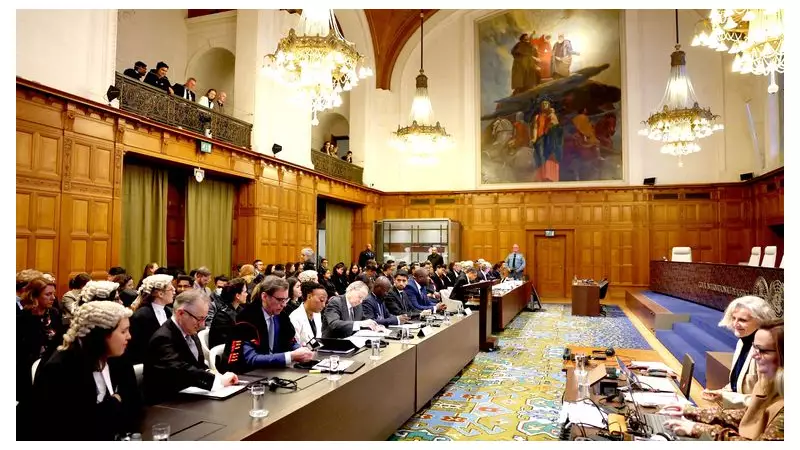
In a landmark legal proceeding with profound global implications, the International Court of Justice (ICJ) in The Hague has begun hearing the first full genocide case it has taken up in over a decade. The case, brought by The Gambia, accuses Myanmar of committing genocide against its Rohingya ethnic minority.
A Case Rooted in Alleged Atrocities
The hearings, which commenced on Monday 12 January 2026, centre on events in Myanmar's Rakhine State in 2017. The Gambia, acting on behalf of the Organisation of Islamic Cooperation, argues that Myanmar's military launched a brutal "clearance operation" targeting the predominantly Muslim Rohingya. The allegations, which Myanmar denies, include mass killings, systematic rape, and the deliberate burning of thousands of homes.
This campaign, initiated after an attack by a Rohingya insurgent group, precipitated a massive humanitarian crisis. Over 700,000 Rohingya refugees were forced to flee across the border into Bangladesh. Today, an estimated 1.2 million members of the persecuted minority live in overcrowded camps there, facing dire conditions exacerbated by severe foreign aid cuts.
The Legal Battle and Its Key Figures
The Gambia's Justice Minister, Dawda Jallow, stated his nation was motivated by "a sense of responsibility" born from its own experience with military rule. "We must use our moral voice in condemnation of oppression, of crimes against individuals, and of groups, wherever and whenever they occur," he told the court.
Myanmar initially contested the ICJ's jurisdiction, arguing The Gambia could not bring a case as it was not directly involved in the conflict. However, judges rejected this argument in 2022, allowing the trial to proceed. Myanmar was first represented at the court in 2019 by then-leader Aung San Suu Kyi, who denied genocide claims, framing the exodus as a result of a conflict with insurgents. The Nobel laureate is now imprisoned following a military coup.
Broader Implications and Parallel Investigations
The outcome of this three-week hearing could set a significant precedent for how future genocide allegations are assessed internationally. Observers note its potential relevance to other cases, including South Africa's recent case against Israel concerning Gaza.
Furthermore, a finding of genocide may impact a separate, ongoing investigation at the International Criminal Court (ICC), also based in The Hague. In 2024, the ICC's chief prosecutor requested an arrest warrant for Myanmar's military leader, Senior General Min Aung Hlaing, for crimes against the Rohingya; that request remains pending.
As the world watches, several Rohingya witnesses have travelled to the Netherlands to attend the hearings, seeking long-awaited justice for what they describe as a campaign of annihilation.