US Denies Ukraine Peace Plan is 'Russian Wish List' Ahead of Critical Talks
Donald Trump has declared his 28-point peace proposal for Ukraine is "by far" not the final offer, following significant unease from European allies about the substantial concessions demanded from Kyiv. The announcement comes just before crisis talks scheduled in Geneva, Switzerland, where national security advisers from key Western nations will urgently discuss the controversial plan.
European Scramble and Zelenskyy's Response
Meeting during the G20 summit in South Africa, leaders from Europe and other Western nations rushed to formulate a response to President Trump's demand for Ukraine to accept the proposal, which was jointly drawn up by the Trump administration and the Kremlin. In a joint statement released on Saturday, these leaders indicated that the plan could serve as a basis for negotiations to end the nearly four-year war but emphasised that it requires "additional work."
As a direct result, a meeting has been hastily arranged for Sunday in Geneva. Officials from the E3 nations—France, Britain, and Germany—will join representatives from the EU, the US, and Ukraine for further discussions.
Ahead of these critical talks, Ukrainian President Volodymyr Zelenskyy sought to reassure his nation. In a video address, he stated that Ukrainian representatives at the negotiations "know how to protect Ukrainian national interests" and understand what is necessary to prevent future Russian aggression. "Real peace is always based on security and justice," the Ukrainian leader asserted.
Details of the 28-Point Proposal and Political Reactions
The proposed peace plan bears a close resemblance to the list of demands the Kremlin has repeatedly stated since launching its full-scale invasion. If adopted, the agreement would compel Ukraine to cede occupied territories to Russia and accept limits on the size of its military.
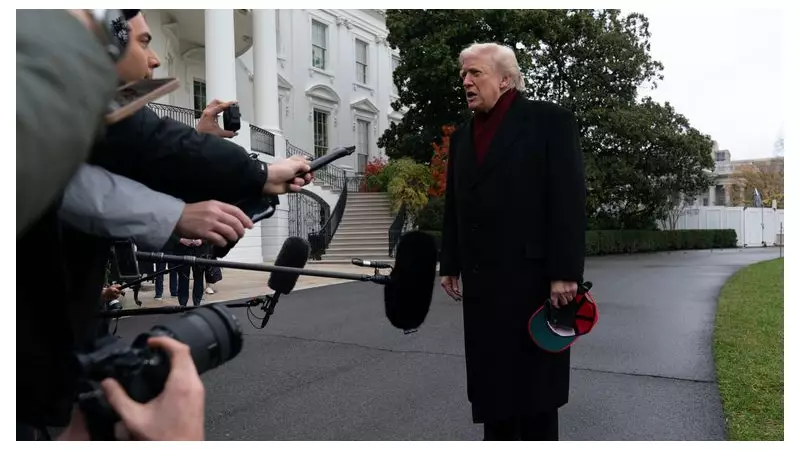
President Trump has suggested he wants a response from Ukraine by Thursday, though he hinted an extension might be possible. When questioned by reporters outside the White House on Saturday, Trump clarified the plan's status, saying, "We'd like to get the peace, it should've happened a long time ago." He added, "One way or another, we have to get it ended."
His Secretary of State, Marco Rubio, vigorously defended the proposal's origins. He insisted it was authored by the United States, countering allegations from some senators that it constitutes a "Russian wish list." "It is based on input from the Russian side. But it is also based on previous and ongoing input from Ukraine," Mr Rubio explained.
European leaders have attempted to balance praise for President Trump's initiative with frank acknowledgment that several terms are deeply problematic for Kyiv. French President Emmanuel Macron noted that such an agreement must ensure "security for all Europeans," not just peace for Ukrainians.
German Chancellor Friedrich Merz underlined the high stakes for Europe, stating, "If Ukraine loses this war and possibly collapses, it will have an impact on European politics as a whole." He acknowledged a current opportunity for peace but conceded that a good outcome for all parties remains distant.
UK Prime Minister Sir Keir Starmer expressed specific concern about proposed caps on Ukraine's military. "We are concerned about [caps on military], because it's fundamental that Ukraine has to be able to defend itself if there's a ceasefire," he told reporters in Johannesburg. He confirmed that senior US, European, and Ukrainian officials would meet in Geneva to work further on the draft.