Britain to Convene 35 Nations for Critical Strait of Hormuz Discussions
Prime Minister Keir Starmer has announced that the United Kingdom will host a major international meeting involving 35 countries to explore diplomatic solutions for reopening the Strait of Hormuz. This critical waterway for global oil and gas shipments has been partially blocked by Iran, creating a severe shipping crisis in the Middle East.
Excluding the United States from Direct Participation
Significantly, the United States is understood not to be directly invited to participate in these crucial talks. The gathering will instead focus on nations that signed a joint statement last month committing to "appropriate efforts to ensure safe passage through the strait." This includes European allies and key maritime players in the region.
Starmer emphasized that Thursday's meeting represents "the first time the countries had convened to discuss a viable plan to reopen the strait." Foreign Secretary Yvette Cooper will join international leaders for what marks the next phase of joint British and French efforts to secure this vital shipping route.
Addressing a Critical Global Shipping Crisis
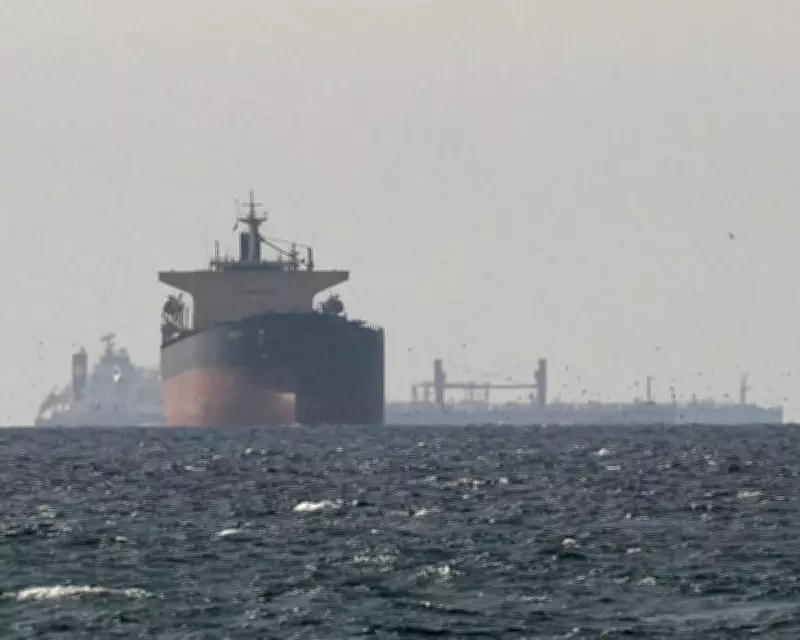
The scale of the crisis is staggering. Approximately 1,000 ships remain stranded due to Iran's partial blockade of the strait, implemented in response to strikes by the US and Israel. Before the conflict, this narrow channel carried about one-fifth of the world's oil and gas supplies and approximately one-third of global fertilizers essential for half of the world's food production.
Since hostilities began, only about 130 ships have successfully navigated the passage—the same number that would typically pass through in a single day under normal conditions. This dramatic reduction has created severe disruptions to global energy markets and agricultural supply chains.
Diplomatic and Military Planning Efforts
Starmer outlined the meeting's objectives: "to assess all viable diplomatic and political measures we can take to restore freedom of navigation, guarantee the safety of trapped ships and seafarers and to resume the movement of vital commodities."
Following the diplomatic discussions, British military planners will convene separately "to look at how we can marshal our capabilities and make the strait accessible and safe after the fighting has stopped." The Ministry of Defence has already dispatched military planners to US Central Command to examine options for facilitating tanker passage through the contested waterway.
Industry Consultation and Long-Term Challenges
The Prime Minister recently convened energy and shipping executives at Downing Street, where industry leaders identified safety and security of passage—rather than insurance concerns—as their primary challenge. Starmer acknowledged the complexity of the situation, stating: "I do have to level with people on this, this will not be easy."
He emphasized that cleanup operations would extend long after hostilities cease, requiring "a united front of military strength and diplomatic activity, partnership with industry, so they too can mobilise once the fighting has stopped and, above all, clear and calm leadership."
International Participants and Regional Dynamics
The participating countries include the United Kingdom, France, Germany, Italy, the Netherlands, Australia, Japan, Canada, South Korea, New Zealand, the United Arab Emirates, and Nigeria, with several additional nations joining since the original joint statement.
Meanwhile, Iran's Islamic Revolutionary Guards Corps declared on state television that the Strait of Hormuz would remain closed to "enemies of this nation" and asserted continued naval control over the strategic passage.
Political Context and American Position
Former US President Donald Trump has criticized European nations for insufficient support of military actions against Tehran, suggesting that other countries should assume responsibility for securing the strait if the United States ceases its strikes. Trump recently posted: "We will consider when Hormuz Strait is open, free, and clear. Until then, we are blasting Iran into oblivion or, as they say, back to the Stone Ages!!!"
Starmer framed Britain's involvement in clear national interest terms: "Because my guide from the start of this conflict has always been the British national interest. And freedom of navigation in the Middle East is in the British national interest."
This diplomatic initiative represents a significant test of international cooperation amid escalating regional tensions, with global energy security hanging in the balance as nations seek peaceful resolution to the shipping crisis in one of the world's most strategically important waterways.