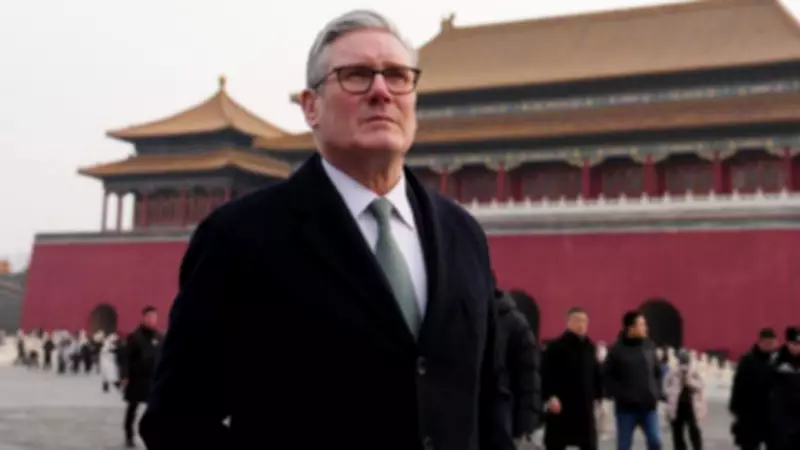
In a significant development for UK-China relations, British citizens will now be able to travel to China without requiring a visa for visits lasting fewer than thirty days. This landmark announcement follows the first prime ministerial visit to China from the United Kingdom since Theresa May's trip in 2018, with Sir Keir Starmer meeting President Xi Jinping in Beijing to discuss bilateral cooperation.
A New Era of Travel Accessibility
The decision places the United Kingdom on an equal footing with numerous European nations and other global partners within China's visa-waiver programme. This policy, which now encompasses almost fifty countries including France, Germany, Italy, Spain, New Zealand, Australia, Japan, South Korea, Brazil, Argentina, Russia, Saudi Arabia, and Oman, permits both business and tourism visits for periods not exceeding one month without the need for formal visa applications.
Business and Economic Implications
Sir Keir Starmer emphasised the economic rationale behind the relaxed travel arrangements, stating: "As one of the world's economic powerhouses, businesses have been crying out for ways to grow their footprints in China. We'll make it easier for them to do so - including via relaxed visa rules for short-term travel - supporting them to expand abroad, all while boosting growth and jobs at home."
The announcement has been warmly received by major financial institutions including HSBC, KPMG, and Standard Chartered. Business Secretary Peter Kyle highlighted the substantial growth opportunities this presents for UK service sectors, noting that services remain underrepresented in current exports to China. He identified particular potential in legal, financial, health, and education services.
Diplomatic Discussions and Future Cooperation
Beyond the visa announcement, the two nations have agreed to explore a feasibility study regarding a potential bilateral services agreement. A translated readout from the Chinese side following the Xi-Starmer meeting stated: "Both sides should strengthen people-to-people exchanges and further facilitate personnel exchanges. [Xi] welcomed visits to China by the British government, parliament, and various local groups to enhance their comprehensive, objective, and accurate understanding of China. China is willing to actively consider implementing unilateral visa-free entry for the UK."
Sir Keir confirmed that the discussions were comprehensive, addressing both opportunities and areas of disagreement. He raised specific concerns including the detention of British citizen Jimmy Lai in Hong Kong and the treatment of Uyghur communities, stating: "Part of the rationale for engagement is to make sure that we can both seize the opportunities that are available, which is what we've done, but also have a mature discussion about issues that we disagree on."
Historical Context and Significance
This development marks a substantial shift in travel accessibility between the two nations. Previously, British citizens required formal visas to enter the People's Republic of China. The change reflects China's ongoing expansion of its visa-waiver programme, which has incorporated dozens of countries in recent years as part of broader efforts to facilitate international travel and strengthen global connections.
The timing of this announcement during Sir Keir Starmer's inaugural visit as Prime Minister underscores the diplomatic importance both nations place on enhancing bilateral relations. The inclusion of leading UK enterprises and cultural figures in the delegation further demonstrates the multifaceted approach to strengthening cooperation across economic, cultural, and service sectors.