The UK government has pushed back its final decision on whether to approve China's proposed 'super-embassy' in London until 20 January, a date that coincides with Prime Minister Keir Starmer's anticipated visit to Beijing for bilateral talks. This marks the third time ministers have deferred the ruling on the contentious plan.
Security Services Give Green Light
Despite local protests and concerns over Beijing's human rights record, the security services have reportedly signalled to ministers that they can manage the risks associated with the new diplomatic compound. A government spokesperson stated that consolidating China's seven existing diplomatic sites in London into the single Royal Mint Court location, which was purchased for £255 million in 2018, "clearly brings security advantages".
In a formal letter, Home Secretary Shabana Mahmood and Foreign Secretary Yvette Cooper confirmed their departments had "carefully considered the breadth of considerations" and worked with police to ensure national security issues were addressed. They acknowledged the importance of functional diplomatic premises while upholding security.
Starmer's 'Sober Realism' on China Policy
The timing of the decision aligns with Keir Starmer's planned diplomatic mission, which would make him the first UK prime minister to visit Beijing since Theresa May in 2018. In a recent speech, Starmer argued against a foreign policy that blows "hot and cold" on China, rejecting the previous shift from a "golden age" to an "ice age".
He described China as a "nation of immense scale, ambition and ingenuity" and stated the UK's approach must be "grounded in strength, clarity and sober realism".
Local Opposition and Planning History
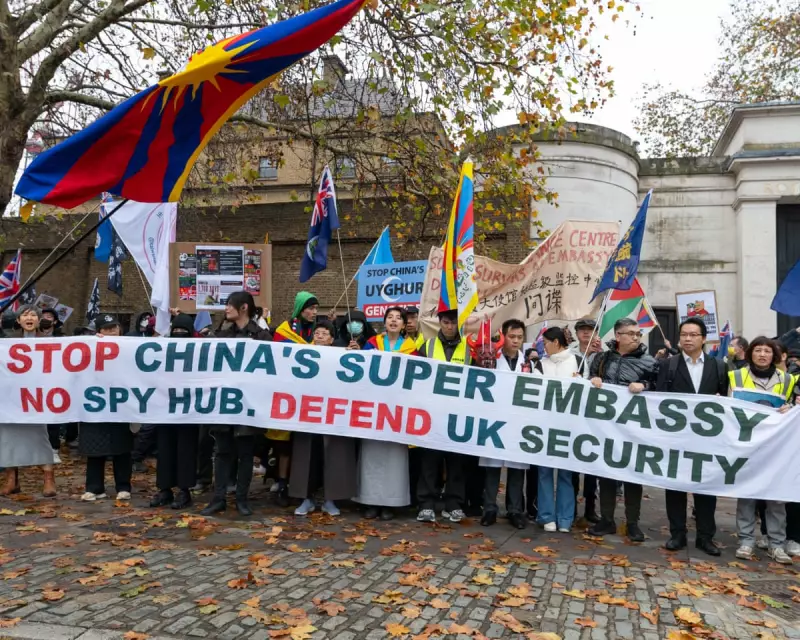
The plan to build China's largest diplomatic outpost in the world on the 20,000 sq metre site near Tower Bridge has faced fierce opposition. Campaigners and local residents have held several protests, citing concerns over human rights in Hong Kong and the Xinjiang region.
Tower Hamlets council initially refused planning permission in 2022. The previous Conservative government declined to intervene, but the new Labour administration "called in" the application soon after taking power last summer, taking the final decision out of the council's hands.
A government spokesperson emphasised that an independent planning decision will be made by the relevant secretary of state in due course, following the confirmation that all security considerations have been resolved.