UAE Withholds Support for Gaza Force, Citing Legal Ambiguity
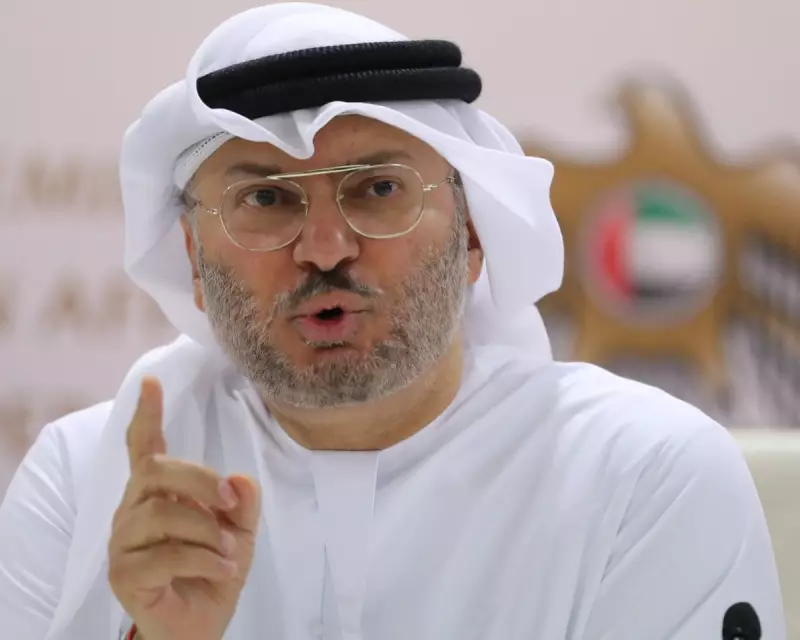
The United Arab Emirates has declared it will not participate in a proposed international stabilisation force for Gaza, dealing a significant blow to a US-drafted plan aimed at securing the territory post-conflict. The announcement was made by Dr Anwar Gargash, a senior Emirati diplomat, during a conference in Abu Dhabi. He stated that the UAE does not yet see a clear legal framework for the force and, under such circumstances, will not take part, though it will continue to support political and humanitarian efforts.
Growing Regional Opposition to US Proposal
The UAE's decision highlights widespread regional doubts about the terms of the US resolution, which has been distributed to diplomats at the UN in New York. Israel has already ruled out Turkey's participation, and King Abdullah of Jordan has confirmed that Jordanian troops will not be involved. Furthermore, Azerbaijan, once considered a potential contributor, did not attend a planning meeting in Turkey and stated it would not commit unless a full ceasefire is in place.
The US draft resolution places the primary responsibility for security in Gaza on a US-directed stabilisation force, tasked with disarming Hamas and other armed groups. However, Arab states, including Qatar, are pushing for greater responsibilities to be given to a Palestinian civilian police force. A major point of contention is that international law would forbid foreign troops from entering occupied Palestine without explicit Palestinian consent, otherwise, the force could be seen as stabilising an unlawful Israeli occupation.
Protracted Negotiations and a Potential Security Vacuum
Formal negotiations on the mandate for the stabilisation force began in New York and are expected to be lengthy, raising concerns about a security vacuum developing in Gaza that could ultimately strengthen Hamas. The US proposal suggests that the force, answerable to a 'board of peace' chaired by Donald Trump and not the UN, would use 'all necessary measures' to achieve its objectives, including demilitarising Gaza.
Arab states are also worried the mandate is too expansive and spills into governance, a role intended for a Palestinian technocratic committee. The draft resolution makes no reference to a Palestinian state or a two-state solution, a prospect Israel opposes. France and Saudi Arabia are pressing for such a reference to be included, with the Saudi crown prince, Mohammed bin Salman, due at the White House on 18 November.
Separately, Israel is seeking written guarantees from the US that it would retain the right to re-enter Gaza if it believes disarmament is not proceeding as required, similar to its policy in Lebanon. These developments occur as only the bodies of four of the original 251 Israeli hostages remain unreturned.