The Devastating Ripple Effect: How Trump's USAID Cuts Are Crippling Australian Aid Projects
Australian charities are grappling with what they describe as "devastating" consequences following the Trump administration's decision to slash USAID funding, with education, food and health programs across the Pacific region being cut and resulting in preventable deaths according to aid groups.
Timor-Leste's Nutritional Crisis Deepens
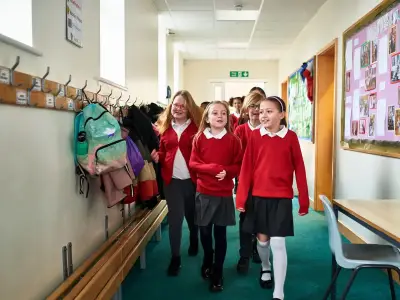
About a year ago, the Trump administration abruptly withdrew funding from an Australian project feeding and educating tens of thousands of schoolchildren in Timor-Leste. The country, with a population of approximately 1.4 million people including about 157,000 children under five, faces a severe nutritional crisis where almost half of children under five are stunted due to malnutrition.
Care Australia's Hatutan project, which received about US$26 million over five years to feed approximately 70,000 children in Timor-Leste, now operates at a fraction of its previous capacity. Bianca Collier, Care Australia's director of international programs and operations, described the sudden funding withdrawal as creating an urgent and terrifying situation for communities that had come to depend on these vital services.
Global Impact of Funding Withdrawal
The consequences extend far beyond Timor-Leste. Globally, dozens of people - most of them children - are dying needlessly every hour since the United States gutted its foreign aid program, ripping tens of billions of dollars out and fundamentally changing how aid is delivered. In Australia's immediate region, the loss of critical funding for health, nutrition, education and climate change initiatives is having ongoing and profound effects.
Collier emphasised that not only is there a moral imperative to support neighbouring countries, but there are also significant economic incentives and broader global concerns at stake, including:
- Climate change mitigation efforts
- Vaccination schedules to prevent disease spread
- Developing sturdy health systems to prevent pandemics
- Countering Chinese influence through diplomatic relationships
The Chaotic Implementation of Cuts
The funding crisis began on 20 January 2025 when newly re-elected president Donald Trump signed an executive order stopping USAID funding for foreign aid programs pending a 90-day review. This prompted weeks of chaos and confusion involving waivers, legal challenges and what many described as a chaotic takeover of the agency.
By March 2025, the administration announced that 83% of USAID's programs had been cancelled, with the remainder to be absorbed into the state department. Organisations were suddenly required to demonstrate that their work served America's immediate interests, seemingly ignoring the global implications of issues like climate change and pandemic prevention.
Quantifying the Human Cost
The human impact of these cuts is staggering. Real-time modelling by a team led by Boston University mathematician and health economist Associate Professor Brooke Nichols shows the withdrawal of USAID funding has caused:
- Almost 250,000 adult deaths
- More than 500,000 child deaths
Her metrics indicate approximately 88 people are dying every hour from preventable causes including malaria, pneumonia, HIV, and malnutrition. A study published in the Lancet predicted more than 14 million people could die by 2030 because of these cuts, with authors describing the number of avoidable deaths as "staggering" and comparing the shock to poorer countries to "a global pandemic or a major armed conflict."
Australia's Response and Regional Impact
In the Indo-Pacific region alone, about $400 million was torn out of programs in the first six months following the cuts. Thousands of staff were let go and approximately 20 country offices had to be closed. Many organisations remain wary of speaking out publicly for fear of retribution from the United States.
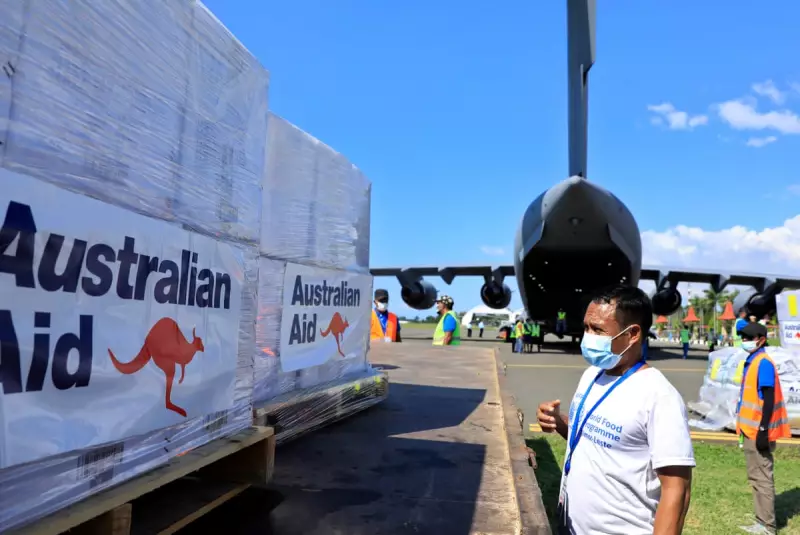
Australia's Department of Foreign Affairs and Trade stepped in to help the Hatutan project in Timor-Leste, enabling the rehiring of some staff and allowing assistance to continue for 12,000 children - a significant reduction from the original 70,000. Foreign Affairs Minister Penny Wong acknowledged that the reduction in USAID funding was "having consequences" and emphasised that development assistance represents "an investment in stability, peace, and security" as well as "an investment in the people whose region we share."
Calls for Increased Australian Commitment
The Australian Council for International Development (Acfid), Australia's peak body for non-government organisations in international development, is calling for significant changes to Australia's aid approach. Their recommendations include:
- Increasing foreign aid investment to 1% of the budget (up from current 0.65%)
- Expanding high-performing NGO programs
- Increasing funding for the Humanitarian Emergency Fund
- Greater investment in climate action, education, social inclusion and health across Asia Pacific
Matthew Maury, Acfid's chief executive officer, described the sudden freezing of global aid as having "continued to ripple and have impacts," noting that the abrupt nature of the cuts was "somewhat unprecedented" in its lack of warning and planning.
While Australia has pivoted its aid distribution - now directing 75 cents of every development dollar to the Indo-Pacific region - the gap created by USAID's withdrawal continues to have profound consequences for vulnerable communities across the Pacific.