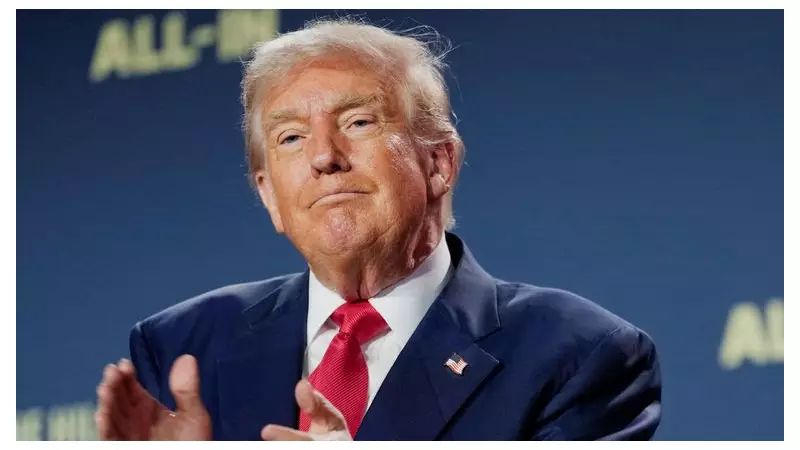
A controversial 28-point peace plan for Ukraine, formulated exclusively between Donald Trump's administration and the Kremlin, has been met with widespread alarm and described by observers as 'terrible', 'weird', and 'baffling'. The proposal, developed without any input from European allies or the Ukrainian government, is seen by many as effectively repackaging long-standing Russian demands.
The Contentious Proposal
The plan was cooked up between Trump negotiator Steve Witkoff and Kremlin official Kirill Dmitriev during a meeting in St Petersburg in April 2025. This bilateral arrangement has raised significant concerns about sidelining traditional US allies. The proposal's terms are viewed as highly favourable to Moscow, mirroring demands Russia first made in 2022 when its invasion was at its peak.
Key points within the plan include the cession of the remainder of the Donbas region to Russia, territory that Ukraine has fiercely defended for almost four years at the cost of tens of thousands of soldiers. Analysts note that at Russia's current rate of military advance, it would take them an estimated four more years to capture this land by force.
Further stipulations involve more than halving the size of the Ukrainian military and restricting Kyiv's access to some of its most effective long-range weaponry. The plan would also prohibit the deployment of any foreign peacekeeping forces in Ukraine after a potential deal is signed.
A Critical Moment for Ukraine
The emergence of this plan comes at an excruciatingly difficult time for Ukraine. The nation is enduring devastating drone attacks that have killed dozens of civilians in recent nights. On the front line, Ukrainian forces are on the verge of losing the key stronghold city of Pokrovsk.
Simultaneously, President Volodymyr Zelenskyy is embroiled in his gravest political crisis since the war began, with key officials facing damaging corruption allegations. There is a suspicion that Witkoff and Dmitriev deliberately chose this moment of vulnerability to intensify pressure on the Ukrainian leadership.
Reactions and Strategic Calculations
In a perverse twist, the proposal's perceived unreasonableness has prompted universal condemnation and outrage in Kyiv, forcing President Zelenskyy's political rivals to rally around him as the nation faces an external threat. The plan's genesis remains unclear, with questions over whether it stems from Donald Trump's confidence in his deal-making abilities or represents a broader strategy.
Fears are growing that the Trump team may be seeking a pretext to disengage from the conflict entirely, potentially blaming Ukrainian intransigence for the failure of his diplomatic efforts. The administration has already ended direct financial support for Ukraine, opting instead to act as an arms dealer by selling weapons to Europe for onward transfer.
The potential withdrawal of crucial US military intelligence support would leave Ukraine blind to the kind of attacks currently killing scores of civilians. Consequently, Europe and Ukraine cannot afford to reject the plan outright and risk alienating President Trump. Their likely strategy will be to play for time, hoping against the odds that he can be persuaded to desert the Kremlin and apply genuine pressure on Vladimir Putin to end the war, rather than forcing a Ukrainian surrender.