
The international community is grappling with a leaked 28-point plan for peace in Ukraine, a proposal emerging from Trump administration circles that many analysts are branding as potential capitulation to Moscow. The document, which surfaced last week, has prompted swift counter-demands from European leaders and Ukrainian President Volodymyr Zelenskyy.
The Sticking Points in the Proposed Deal
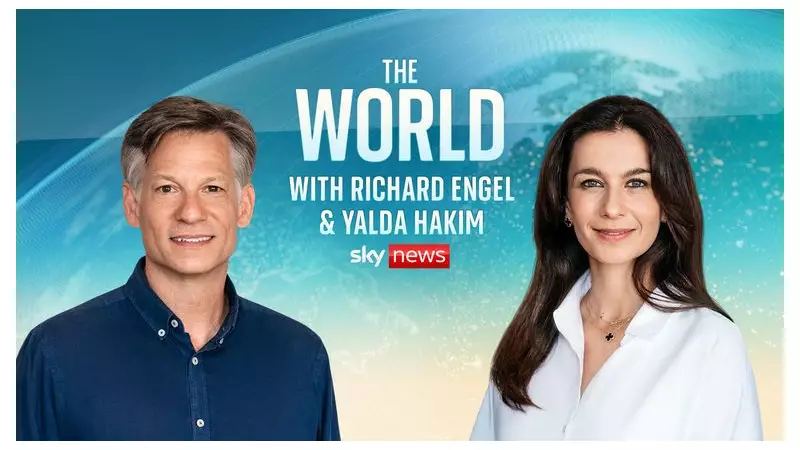
Richard Engel, reporting directly from the peace talks in Geneva, has been dissecting the American proposal with co-host Yalda Hakim on their podcast, The World with Richard Engel and Yalda Hakim. Their analysis focuses on three critical areas that will determine the plan's viability.
The first major hurdle is territorial control. The initial plan is seen as heavily favouring Russian interests regarding the occupied regions. Secondly, the issue of military capabilities and limitations for Ukraine is a central point of contention. Perhaps the most significant point of debate is the future of NATO membership for Ukraine, a key strategic goal for Kyiv that the plan appears to undermine.
Political Pressure Mounts on Zelenskyy
Complicating the high-stakes diplomacy is a corruption scandal that has engulfed the core of President Zelenskyy's government. This domestic turmoil is applying extra pressure on the Ukrainian leadership, potentially weakening their negotiating position and increasing the urgency for a ceasefire with Russia.
The fundamental question remains whether the European and Ukrainian amendments to the original plan will be acceptable to the Kremlin. As of Wednesday 26 November 2025, the world watches to see if this leaked framework represents a path to peace or a prelude to further conflict.




