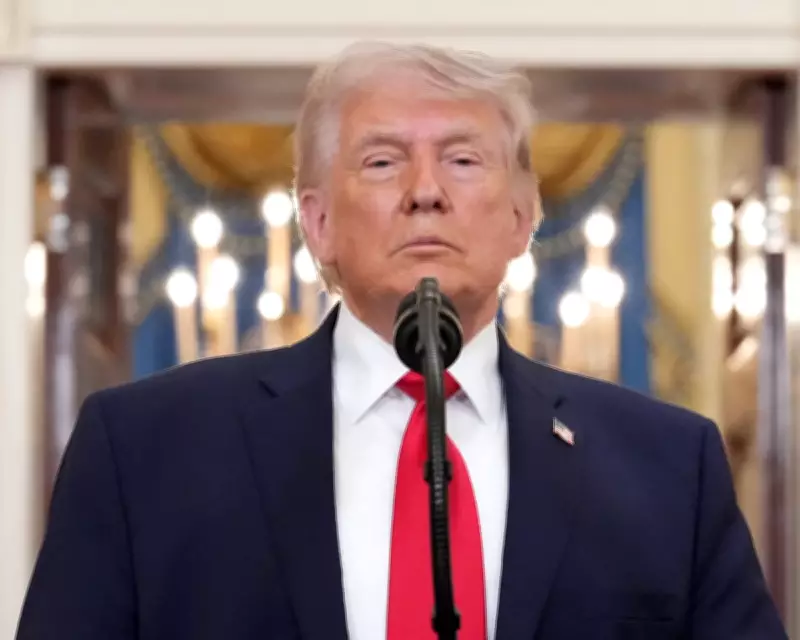
Donald Trump delivered a televised address on the Middle East conflict from the Cross Hall of the White House on Wednesday, a moment captured in a photograph by Alex Brandon. This speech highlighted the ongoing tensions and unpredictability that have come to define his presidency, particularly in international relations.
Trump's Outbursts and European Alarm
In recent days, Trump has publicly mocked key allies, including the British prime minister and armed forces, labeling them as weak, and criticized the French president over personal matters. He has also suggested that allies should secure their own oil resources, despite his role in escalating Middle East tensions, and hinted at reconsidering NATO membership. These remarks have not shocked European leaders but have instead evoked a sense of weary annoyance and deep concern.
The Impact on Traditional Alliances
Trump's actions signal a deliberate shift away from the liberal international order and traditional alliances, especially with Europe. By calling NATO a "paper tiger" and noting that Vladimir Putin is aware of this, he has further eroded the collective security guarantee that has long underpinned transatlantic relations. Some in Europe, including parts of the British security establishment, hope this is a temporary aberration, but others see it as a call to action for bolstering European defence capabilities without delay.
Britain's Vulnerable Position Post-Brexit
Post-Brexit, Britain finds itself highly dependent on and intertwined with US security architecture, making it vulnerable to economic retaliation. Sir Keir Starmer has attempted to position the UK as a bridge between the US and Europe, but Trump's administration appears more inclined to burn such bridges. The upcoming state visit by the king to Washington carries little obvious benefit and risks becoming a diplomatic debacle.
European Response and Future Directions
Emmanuel Macron has emphasized the need for seriousness in diplomacy, criticizing Trump's inconsistent statements. In response, Europe is urged to build up its own security commitments through true cooperation, not just increased defence spending. Sir Keir Starmer has avoided direct criticism of Trump while advocating for a closer economic and security relationship with Europe, a shift that may reassure some but falls short of the rapid changes needed.
In an unpredictable global landscape where old structures are disintegrating, Europe must act swiftly to strengthen its security arrangements. There is no time for delay, as the stakes for international stability continue to rise.