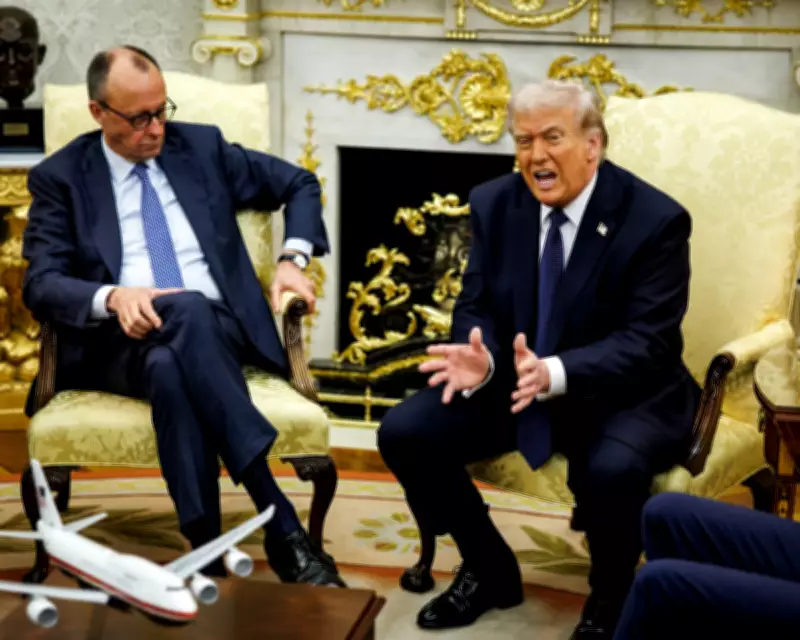
In a recent statement that has stirred international attention, former U.S. President Donald Trump expressed deep concerns regarding Iran's impending leadership change. He articulated fears that the nation's next leader could potentially be as detrimental as the previous one, highlighting ongoing geopolitical strains in the Middle East.
Trump's Warning on Iran's Political Future
Trump's remarks come at a critical juncture as Iran prepares for a transition in its top leadership position. He emphasized that the selection of a new leader is of paramount importance, not only for Iran but for global stability. According to Trump, the previous leader's policies and actions have had far-reaching consequences, and he worries that history might repeat itself with the upcoming appointment.
Geopolitical Implications of Leadership Changes
The former president's comments underscore the broader geopolitical tensions surrounding Iran, a key player in regional affairs. Trump pointed out that Iran's leadership decisions have historically influenced international relations, particularly with Western nations. He suggested that a leader similar to the previous one could exacerbate existing conflicts and hinder diplomatic efforts aimed at de-escalation.
Trump's perspective is rooted in his administration's past dealings with Iran, which included significant policy shifts and heightened sanctions. He reiterated that a change in leadership should ideally bring about positive reforms, but he remains skeptical based on past experiences. This skepticism reflects a broader sentiment among some international observers who monitor Iran's internal politics closely.
Reactions and Analysis from Global Experts
Political analysts and experts have weighed in on Trump's statements, noting that his fears are shared by various stakeholders in the international community. They explain that Iran's leadership transitions are often scrutinized for their potential impact on nuclear negotiations, regional security, and human rights issues. Some experts argue that while change is inevitable, the direction it takes will depend on multiple factors, including domestic pressures and external influences.
Moreover, Trump's warning serves as a reminder of the volatile nature of Middle Eastern politics. It highlights how leadership changes in countries like Iran can have ripple effects across the globe, affecting everything from oil markets to security alliances. As such, his comments have sparked discussions about the need for vigilant monitoring and proactive diplomacy in the region.
In conclusion, Trump's apprehension about Iran's future leadership adds a new layer to the ongoing discourse on international relations. His fears that the next leader could be as challenging as the previous one underscore the complexities of geopolitical dynamics and the importance of leadership in shaping global outcomes. As Iran moves forward with its transition, the world will be watching closely, with many hoping for a more stable and cooperative future.