Diplomatic Crisis Escalates Over G20 Presidency Handover
The diplomatic relationship between the United States and South Africa has deteriorated significantly after former President Donald Trump announced he would exclude the African nation from G20 events when America hosts the forum in 2026.
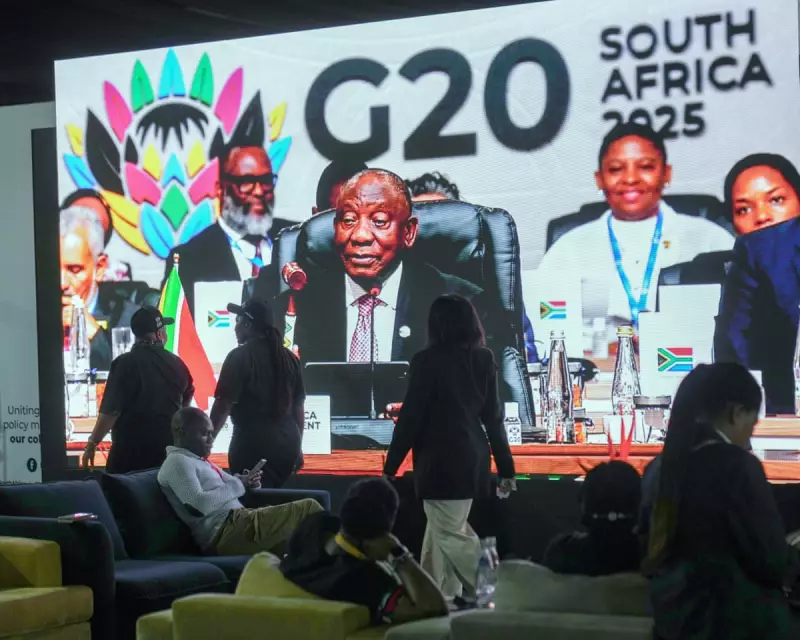
Trump declared on his Truth Social platform that South Africa will not receive an invitation to the G20 gathering scheduled for Miami, Florida, next year. This punitive measure follows what Trump described as South Africa's refusal to properly hand over the G20 presidency to a US representative during the summit's closing ceremony in Johannesburg last weekend.
South Africa's Firm Response to 'Punitive' Measures
South Africa's presidency issued a strong statement characterising Trump's actions as "regrettable" and based on "misinformation and distortions" about the country. The government emphasised that South Africa participates in the G20 as a sovereign constitutional democracy in its own right, not at the pleasure of any single member nation.
The diplomatic row intensified when the United States, which had boycotted the first-ever G20 leaders' summit held in Africa, demanded that South African President Cyril Ramaphosa symbolically transfer the presidency to their acting ambassador during the event's conclusion. South Africa rejected this request, maintaining it would breach diplomatic protocol for their president to hand over to a "junior" diplomat.
Controversial Claims About White Farmers
Trump repeated widely disputed allegations that South Africa's government is "killing white people" and permitting the confiscation of white-owned farms. These claims have been consistently challenged by South African authorities and independent data.
According to South African police records from the last quarter of 2024, 12 murders occurred on farms across the country, including black-owned smallholder operations. This figure represents a tiny fraction of the nearly 7,000 murders recorded nationwide during that period.
Land ownership remains a contentious issue in South Africa, with private property still predominantly held by the white minority. The process of land restitution for black owners displaced during colonial and apartheid eras has proceeded slowly through the courts, with only a handful of successful cases after lengthy legal proceedings.
Broader Implications for International Relations
The summit in Johannesburg was hailed by South Africa as a success for multilateralism, producing a leaders' communique that emphasised addressing climate change and gender inequalities - issues that contrast sharply with the Trump administration's priorities.
This diplomatic confrontation represents another chapter in the strained relationship between the two nations. The United States had already begun offering refugee status to white South Africans in May while halting other refugee arrivals, and Trump had previously announced in February that he was stopping aid to South Africa.
South Africa's government maintains that land expropriation occurs only under limited circumstances and that the country's high crime rate affects all citizens regardless of race. The administration of President Cyril Ramaphosa expressed disappointment that despite numerous attempts to reset diplomatic relations with the US, Trump continues to apply punitive measures based on what they describe as inaccurate information.