Status Quo at Jerusalem's Al-Aqsa Mosque Collapses Amid Ramadan Prayers
The delicate status quo at Jerusalem's Al-Aqsa Mosque, a site of profound religious significance for Muslims and Jews, has collapsed following the conduct of prayers during the holy month of Ramadan. This development marks a significant departure from longstanding arrangements that have governed access and worship at the compound, historically aimed at preventing escalations in this volatile region.
Historical Context and Immediate Triggers
For decades, the status quo at the Al-Aqsa Mosque compound, known to Jews as the Temple Mount, has been maintained through informal agreements and international oversight. These arrangements typically restrict Jewish prayer at the site to preserve its Islamic character and avoid inflaming sectarian tensions. However, recent events have seen this fragile balance shattered.
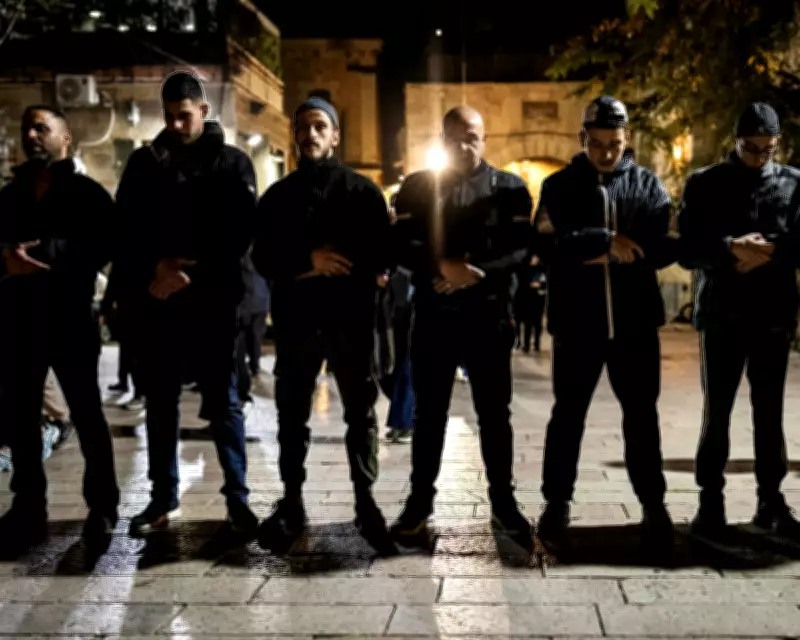
During Ramadan, a period of heightened religious observance for Muslims worldwide, prayers were held at the mosque in a manner that contravened these established norms. Reports indicate that the prayers involved larger gatherings and more overt religious expressions than typically permitted under the status quo, leading to immediate backlash and concerns over potential violence.
Regional and International Reactions
The collapse of the status quo has elicited strong reactions from various stakeholders. Palestinian authorities have condemned the actions, warning that they threaten to destabilize the region and undermine peace efforts. Israeli officials, meanwhile, have offered mixed responses, with some defending the right to worship and others expressing caution about the implications for security.
International observers, including the United Nations and several Western governments, have called for restraint and a return to the previous arrangements. They emphasize that the Al-Aqsa Mosque is a flashpoint in the Israeli-Palestinian conflict, and any disruption to its governance could have far-reaching consequences for regional stability.
Implications for Religious and Political Stability
The breakdown of the status quo at Al-Aqsa Mosque raises serious questions about the future of religious coexistence in Jerusalem. The site is not only a center of worship but also a symbol of national and religious identity for both Israelis and Palestinians. Its management is often seen as a barometer for the broader conflict.
Experts warn that this incident could lead to increased tensions, potentially sparking protests, clashes, or even broader unrest. The timing during Ramadan, when emotions run high, adds to the volatility. There are fears that if not addressed promptly, the situation could escalate into a larger crisis, affecting diplomatic relations and security across the Middle East.
Looking Ahead: Challenges and Potential Resolutions
Moving forward, restoring the status quo will be a complex challenge. It requires delicate negotiations between Israeli and Palestinian authorities, possibly with international mediation. Key issues include defining acceptable practices for worship, ensuring access for all faiths, and rebuilding trust among communities.
Some analysts suggest that this collapse could serve as a wake-up call for renewed dialogue on the broader Israeli-Palestinian conflict. Others caution that without immediate action, the situation may deteriorate further, making reconciliation more difficult. The international community is likely to play a crucial role in facilitating discussions and monitoring compliance with any new agreements.
In conclusion, the collapse of the status quo at Jerusalem's Al-Aqsa Mosque during Ramadan represents a pivotal moment in the region's religious and political landscape. It underscores the fragility of peace in this contested city and highlights the urgent need for constructive engagement to prevent further escalation.