Britain's China Dilemma: Security vs Trade in Starmer's Historic Visit
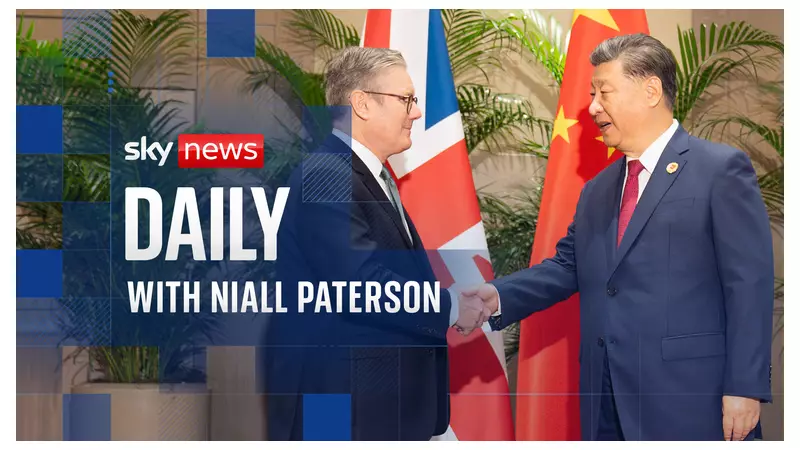
Sir Keir Starmer is embarking on a landmark diplomatic mission to China, marking the first visit by a British prime minister since Theresa May's trip in 2018. This significant journey, scheduled for Tuesday 27 January 2026, comes at a critical juncture in UK-China relations, with the prime minister accompanied by a delegation of business leaders aiming to bolster trade and economic ties between the two nations.
Economic Ambitions Amidst Growing Trade Imbalance
The UK currently faces a substantial trade deficit with China, raising important questions about what tangible benefits Starmer's administration might secure in return for closer economic cooperation. The prime minister's strategy appears focused on leveraging this high-profile visit to negotiate improved market access for British businesses and potentially rebalance the economic relationship that has increasingly favoured Chinese exports in recent years.
Security Concerns Cast Shadow Over Diplomatic Efforts
This diplomatic initiative unfolds against a complex backdrop of security apprehensions and political controversy. Starmer's recent approval of the new Chinese "mega" embassy in London has drawn scrutiny, while persistent allegations of Chinese espionage activities within the UK have created additional layers of complexity to the bilateral relationship. These security considerations present a significant challenge to any attempts at deepening economic cooperation.
Expert Analysis on the UK-China Relationship
To explore these pressing issues, The Times's China correspondent Richard Spencer provides valuable insights from Beijing, examining the delicate balance between security imperatives and economic opportunities. The discussion centres on determining what constitutes an appropriate level of engagement with China, weighing the potential benefits of enhanced trade against legitimate concerns about national security and geopolitical alignment.
The broader conversation addresses fundamental questions about Britain's strategic positioning in an increasingly multipolar world, where economic interdependence must be carefully managed alongside security sovereignty. This visit represents not merely a diplomatic formality but a crucial test of the UK's foreign policy approach towards one of the world's most significant economic powers.
As the prime minister prepares for these important discussions, the outcomes could have lasting implications for Britain's economic future and international standing. The delicate task of navigating this complex relationship requires careful consideration of both immediate economic needs and long-term strategic interests in an evolving global landscape.