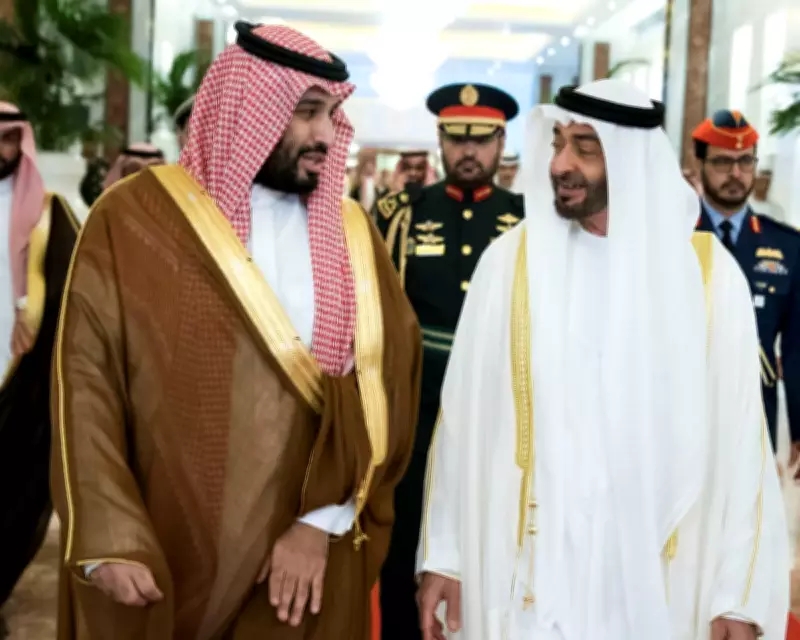
Saudi Arabia and UAE Clash: Global Implications of Former Allies' Rift
The once-strong alliance between Saudi Arabia and the United Arab Emirates (UAE) is showing signs of significant strain, with escalating tensions that could have far-reaching consequences for global stability. As these two Gulf powerhouses, previously united on many regional and economic fronts, begin to diverge, analysts warn that other nations are likely to bear the brunt of this geopolitical shift.
Background of the Saudi-UAE Alliance
Historically, Saudi Arabia and the UAE have been key allies in the Middle East, collaborating closely on issues such as oil production, security, and diplomatic initiatives. Their partnership has been a cornerstone of Gulf Cooperation Council (GCC) unity, influencing everything from energy markets to regional conflicts. However, recent developments suggest that this bond is fraying, driven by competing economic ambitions and differing strategic priorities.
Causes of the Growing Tensions
Several factors are contributing to the rift between Saudi Arabia and the UAE. Economic competition is a major driver, as both nations vie for dominance in sectors like tourism, technology, and renewable energy. The UAE's push to diversify its economy away from oil has led to initiatives that sometimes clash with Saudi Arabia's Vision 2030 plans. Additionally, geopolitical disagreements over issues such as the war in Yemen and relations with Iran have exposed underlying fissures in their alliance.
Other points of contention include:
- Diverging approaches to regional security and diplomacy.
- Competition for foreign investment and global influence.
- Disputes over oil production quotas within OPEC+ frameworks.
Potential Global Impacts
As Saudi Arabia and the UAE clash, the repercussions are expected to extend far beyond the Middle East. Global markets could face volatility, particularly in the energy sector, where any discord between these two major oil producers might lead to supply disruptions or price fluctuations. Moreover, the geopolitical stability of the region could be undermined, affecting international trade routes and security arrangements.
Other nations, especially those with economic or strategic ties to the Gulf, may find themselves caught in the crossfire. For example:
- Countries reliant on Gulf investments might see funding dry up or become politicised.
- Allies like the United States and European nations could face difficult choices in balancing relations with both Saudi Arabia and the UAE.
- Emerging economies in Africa and Asia, which have benefited from Gulf aid and partnerships, might experience reduced support or increased competition for resources.
Looking Ahead: A Fragmented Gulf?
The ongoing tensions between Saudi Arabia and the UAE highlight a potential shift towards a more fragmented Gulf region. If this rift deepens, it could lead to a realignment of alliances, with other Middle Eastern nations and global powers forced to navigate a more complex diplomatic landscape. Observers stress that the costs of this clash are likely to be borne not just by the two countries involved, but by a wider array of stakeholders across the world.
In summary, the Saudi-UAE rift represents a significant development in international relations, with implications for global economics, security, and diplomacy. As former allies clash, the fallout is poised to impact numerous other parties, underscoring the interconnected nature of modern geopolitics.