In a significant diplomatic development, Russia has agreed to participate in its first-ever trilateral peace talks with the United States and Ukraine, scheduled to take place in Abu Dhabi today. This historic meeting marks a potential turning point in the ongoing conflict, following a series of high-level discussions between key leaders and their representatives.
Background to the Negotiations
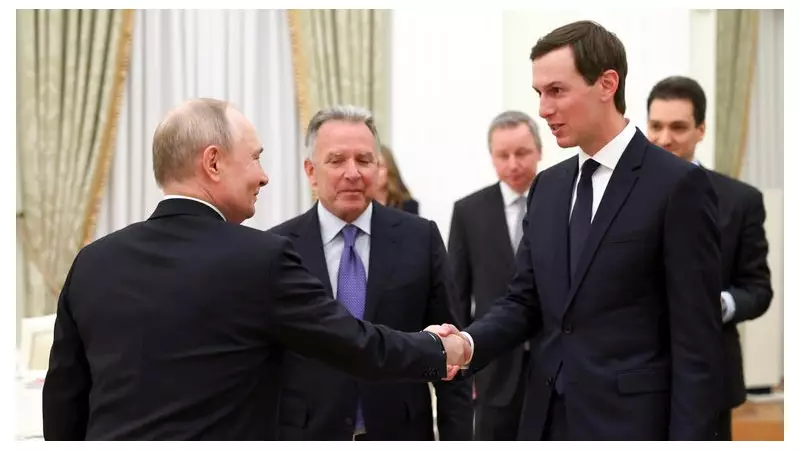
The confirmation of Russian attendance came after Vladimir Putin met with Donald Trump's peace envoy, Steve Witkoff, and son-in-law Jared Kushner in Moscow on Thursday night. The Kremlin described these four hours of talks as "exceptionally substantive, constructive, and extremely frank and trusting". However, Russian officials simultaneously tempered expectations by casting doubt on an immediate breakthrough, reiterating a longstanding warning that territorial issues must be resolved for any long-term settlement to be viable.
Divergent Perspectives on the Meeting
Ukrainian President Volodymyr Zelenskyy suggested the trilateral meeting was a last-minute initiative from Washington, arranged only after his own meeting with Mr Trump in Davos on Thursday. Kyiv has announced it will send its lead negotiator, Rustem Umerov, and Mr Zelenskyy's chief of staff, Kyrylo Budanov, to the UAE-based security talks. Moscow, meanwhile, will be represented by Admiral Igor Kostyukov, who will head the Russian delegation.
Territorial Disputes at the Forefront
The core issue likely to dominate discussions is the territorial disagreement stemming from last year's Trump-Putin summit in Alaska. While no formal deal was struck during that meeting, the two leaders are believed to have explored the possibility of Ukraine ceding territory in exchange for an end to hostilities. Reports indicate the Russian leader expressed a desire for control over the eastern Donetsk and Luhansk regions, including areas not currently under Russian military occupation.
Mr Zelenskyy has previously stated that Moscow's demands extend to the entire Donbas region, which Kyiv views as unacceptable. He argued that such concessions would deprive Ukraine of its crucial defensive "fortress belt" and potentially enable further Russian offensives. The Kremlin has maintained that Russia will continue military operations until a diplomatic settlement is achieved, underscoring the high stakes of today's negotiations.
Zelenskyy's Fiery Davos Address
The agreement on trilateral talks follows Mr Zelenskyy's impassioned speech at the Davos forum, where he expressed frustration with Ukraine's European allies. In remarks that echoed some of Donald Trump's rhetorical style, he warned of a perpetual "groundhog day" in European responses and accused nations of insufficient action. "Just last year here in Davos, I ended my speech with the words 'Europe needs to know how to defend itself' - a year has passed and nothing has changed," he declared.
European Commission President Ursula von der Leyen responded robustly, highlighting the EU's substantial support for Ukraine. "We've been supporting the heroic fight of the Ukrainian people for four years. I think on our side, actions speak louder than words," she stated, noting that the European Council has committed an additional €90 billion (£78 billion) in support over the next two years, adding to previous contributions exceeding €193 billion (£168 billion).
Current Military and Diplomatic Context
Despite the diplomatic manoeuvring, both Kyiv and Moscow remain focused on the battlefield. Mr Zelenskyy departed Davos claiming Ukraine had secured agreements for a new air defence package and asserting that Russian forces are suffering losses of approximately 45,000 troops per month. The Ukrainian president described his meeting with Mr Trump as "positive", with a peace plan reportedly "nearly ready".
As the trilateral talks commence in Abu Dhabi, the central challenge will be reconciling Ukrainian red lines with Russian demands, particularly regarding territorial sovereignty. The participation of all three parties represents a rare opportunity for direct dialogue, though the deeply entrenched positions suggest the path to peace remains fraught with complexity. The outcome of these negotiations could significantly influence the future trajectory of the conflict and broader international relations in the region.