
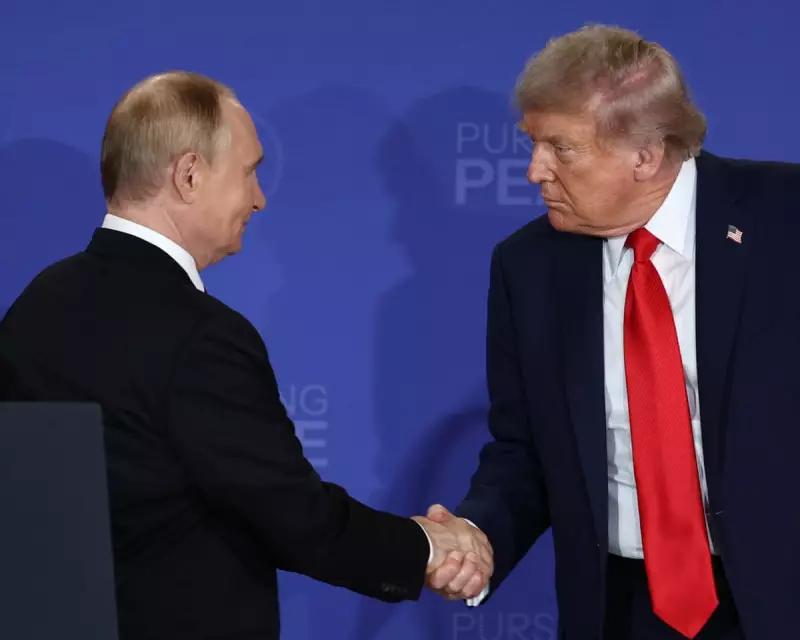
Vladimir Putin and Donald Trump's handshake in Alaska during August now appears merely as a prelude to more complex diplomatic manoeuvring, as the former US president's self-imposed Thanksgiving deadline for a Ukraine peace agreement expired without resolution this week.
The Kremlin's True Position Revealed
Russia expert Mark Galeotti identified a crucial insight into Moscow's thinking through a government-aligned publication. Rossiyskaya Gazeta featured a Putin-linked scholar who bluntly stated that Russia only maintains leverage while fighting continues, acknowledging that ceasefire would leave Moscow isolated against coordinated Western pressure.
This admission reveals Putin's fundamental disinterest in genuine negotiations where Ukraine's sovereignty would be protected. The Russian president seeks nothing less than the capitulation and absorption of his neighbour into Moscow's sphere of influence. Whether achieved through military attrition or a Trump-brokered agreement forced upon Kyiv matters little to the Kremlin.
Escalating Demands and Political Vulnerabilities
On Thursday, Putin reiterated his uncompromising position, demanding Ukraine surrender additional eastern territories and threatening they would be taken by "force of arms" otherwise. Simultaneously, he dismissed Volodymyr Zelenskyy's government as "illegitimate" and questioned whether any future agreement would be legally binding.
The timing of these demands coincides with significant political vulnerability in Kyiv. Andriy Yermak, Zelenskyy's chief of staff, resigned amid an anti-corruption investigation, creating additional pressure at a critical diplomatic moment. This development makes Putin even less likely to consider concessions he has never previously entertained.
Europe's Crucial Role in Countering Kremlin Strategy
The clear danger emerges that Trump's presidential vanity as a self-styled peacemaker, combined with his historical desire for Russo-American deals and Zelenskyy's sudden weakness, might lead him to effectively do Putin's bidding. After years of Ukrainian sacrifice, Europe must prevent a coerced settlement that would leave Ukraine permanently vulnerable, jeopardise European security, and embolden authoritarian regimes worldwide.
Responsibility now falls squarely on European leaders to alter negotiation dynamics. Though Russian forces continue making incremental gains in eastern Ukraine, their progress remains slow and costly. By committing to medium-term financial and military support for Kyiv, Europe can strengthen Ukraine's bargaining position.
European nations must quickly resolve how to deliver essential aid, whether through reparations loans backed by frozen Russian assets, EU budget allocations, or collective borrowing by member states. After months of delay, urgent action is required to signal to both Putin and Trump that Europe will steadfastly defend Ukraine's right to a just peace.
As the Kremlin pursues leverage through eastern Ukraine's battlefields and White House corridors, providing Zelenskyy with strengthened negotiating power becomes increasingly imperative for European security.




