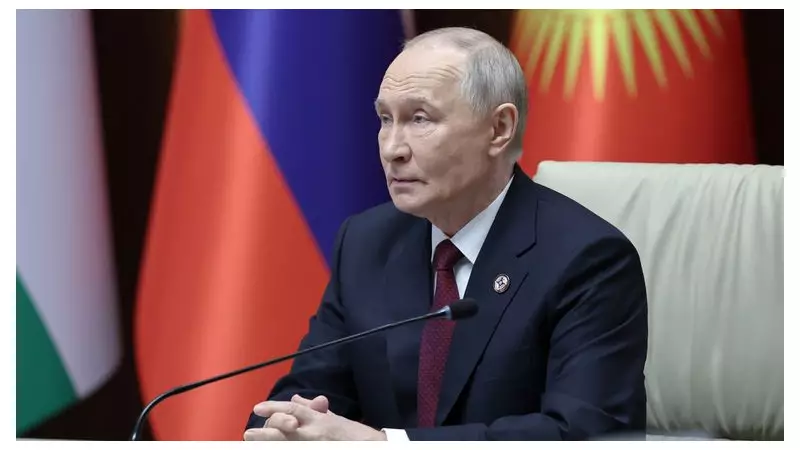
Russian President Vladimir Putin has delivered his first comments on Washington's latest peace proposal, striking a conciliatory tone before hardening his position on Moscow's core demands. The mixed signals from a press conference on Thursday, 27 November 2025, indicate that a breakthrough in the conflict remains elusive.
Conciliatory Opening Tone
In his initial remarks, the Kremlin leader appeared open to dialogue. He described the plan presented by Donald Trump's administration as providing a "basis for future agreements" and stated that Russia is prepared for "serious" discussions. Putin even expressed a willingness to engage in talks concerning broader European security, a move seemingly designed to project a cooperative stance to the international community.
However, this surface-level diplomacy quickly gave way to a more familiar rigidity as the press conference progressed and questions turned to the specifics of a potential deal.
Hardened Stance on Key Demands
When addressing the most contentious issue of territory, President Putin left little room for interpretation. He insisted that recognition of Russian sovereignty over Crimea and the Donbas is a "key point" for any successful negotiations with the United States.
This demand was a central part of the initial 28-point peace plan that Ukraine found unacceptable. Although it was reportedly removed from the latest draft, Putin's comments make it clear that Moscow wants it reinstated, revealing a fundamental divide with no apparent middle ground.
Furthermore, the Russian leader issued a stark warning to Kyiv regarding ceasefire conditions. He asserted that "Ukrainian troops must withdraw from the territories they hold, and then the fighting will cease." He added a blunt threat, stating, "If they don't leave, then we shall achieve this by armed means."
Obstacles to a Legally-Binding Deal
Compounding the difficulties, President Putin reiterated a long-standing grievance concerning the legitimacy of Volodymyr Zelenskyy's presidency. He claimed that this political situation makes it impossible to secure a legally-binding agreement with Ukraine under the current circumstances.
This argument is viewed by many analysts as a potential tactic to delay proceedings and shift blame for the lack of progress onto legal technicalities.
The comments cast a shadow over upcoming diplomatic efforts. US envoy Steve Witkoff is scheduled to visit Moscow for talks in the Kremlin next week. Based on Putin's latest statements, it seems highly improbable that Witkoff will secure an unconditional agreement to America's latest peace plan, suggesting that Russia continues to pursue its objectives with undiluted demands, whether on the battlefield or at the negotiating table.