Diary of Iranian President's Son Reflects Nation's War Struggles
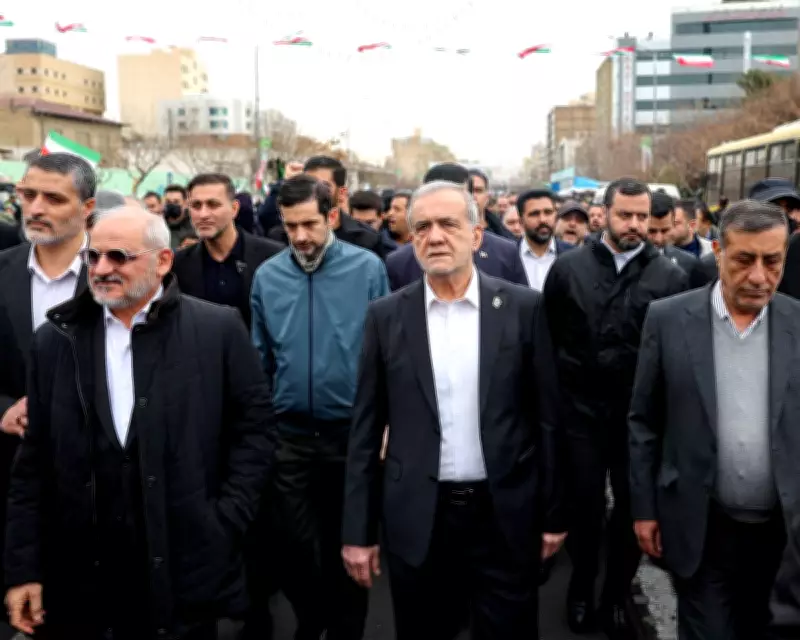
Yousef Pezeshkian, the 45-year-old son of Iranian President Masoud Pezeshkian, has been documenting his personal experiences and observations of the ongoing war through daily social media posts. As an assistant professor in physics, he follows the conflict like most Iranians, relying on television and social media rather than insider information. His candid reflections offer a rare glimpse into the hopes, fears, and debates simmering within Iranian society during this turbulent period.
Personal Anguish Amid National Conflict
In one poignant entry, Pezeshkian describes hearing missile sounds during a pleasant spring day in Tehran. He writes, "I wished I had a camera to take pictures of the beautiful city views. I wished there was no war and I could bring my wife and children to walk in the city streets." This sentiment captures the profound disruption war brings to ordinary life, even for those connected to the highest levels of government.
The diary becomes particularly emotional when Pezeshkian recounts visiting his grandmother. "After 19 days of war, today I finally cried. Several times," he confesses. His grandmother, initially kept unaware of the leader's martyrdom, eventually learned the truth and mourned for all the fallen. Pezeshkian tried to comfort her by saying everything was normal, but after leaving her home, he collapsed in tears, admitting, "Nothing is normal."
Internal Debates and Strategic Questions
Beyond personal reflections, Pezeshkian's posts delve into serious strategic questions dominating Iranian discourse. He openly discusses debates within the country about the war's duration and objectives. "What is seriously disputed is how long we should fight? For ever? Until the complete destruction of Israel and the withdrawal of the US?" he questions, highlighting the lack of consensus on endgame scenarios.
He emphasizes the need for informed decision-making, stating, "Correct decision-making requires information." Pezeshkian calls for assessments of Iran's weapons supply capabilities and the enemy's preparedness, asking, "Will our endurance be greater or the enemy's?" These inquiries reveal ongoing internal deliberations about military capacity and conflict sustainability.
Defending Government Actions Amid Criticism
Pezeshkian strongly defends his father's presidency and Iran's government actions, despite acknowledging occasional mistakes. He questions Western narratives, asking, "Which side lies? Was Iran seeking a nuclear bomb? Did Iran want to attack America?" He references the controversial crackdown on anti-government protests, noting death toll estimates ranging into the thousands, but maintains that Iran's errors don't justify the current war.
He particularly addresses his father's apology to Gulf states, calling it an "ethical duty." Pezeshkian explains, "I know how much my father tried to improve relations with neighbours and Muslim countries in the region. How bitter it is that to defend ourselves we have to strike US bases in our friendly countries." He stresses the importance of regional relationships, adding that after the war, "we will need our neighbours."
Everyday Realities in a Censored Society
Pezeshkian's diary also sheds light on daily life under censorship and conflict. He expresses frustration about government-imposed internet blackouts and controlled news, while consuming information like any ordinary citizen. Sometimes, he hears rumors before official confirmations, as when news spread about assassinations on social media. "I really didn't want to believe it," he writes, emphasizing the need to prevent further successful assassinations by enemies.
Despite the grim circumstances, Pezeshkian finds moments of dark humor. When a friend's dream of a missile strike tragically came true, destroying their house, Pezeshkian suggested, "Ask your dream tomorrow what will be the fate of the war." They shared a laugh, illustrating how Iranians cope with constant worry.
National Unity and Endurance
Throughout his posts, Pezeshkian emphasizes the importance of national unity for Iran's survival. He insists the country is not facing morale collapse and has resources to continue fighting for months. However, his personal moments of vulnerability reveal the deep emotional toll the war exacts on all Iranians, regardless of their political connections.
Yousef Pezeshkian's social media diary, while revealing no state secrets, provides a powerful window into the complex realities of Iranian society during wartime. His reflections blend personal vulnerability with political commentary, capturing the shared experiences of a nation grappling with conflict's profound impacts on both individual lives and national destiny.