High-level negotiations between American officials and Russian President Vladimir Putin have concluded without a decisive breakthrough on ending the war in Ukraine, despite being described as "productive". The talks in Moscow, which stretched over five hours and ended after midnight, came just hours after Mr Putin issued a stark warning that Russia was prepared for conflict with Europe.
A Tense Summit and Defiant Warnings
The US delegation, dispatched by President Donald Trump, included special envoy Steve Witkoff and the president's son-in-law, Jared Kushner. They met with Russian foreign policy aide Yuri Ushakov and investment envoy Kirill Dmitriev. While Mr Witkoff was photographed complimenting Mr Putin on Moscow being a "magnificent city", the underlying discussions were far more grave.
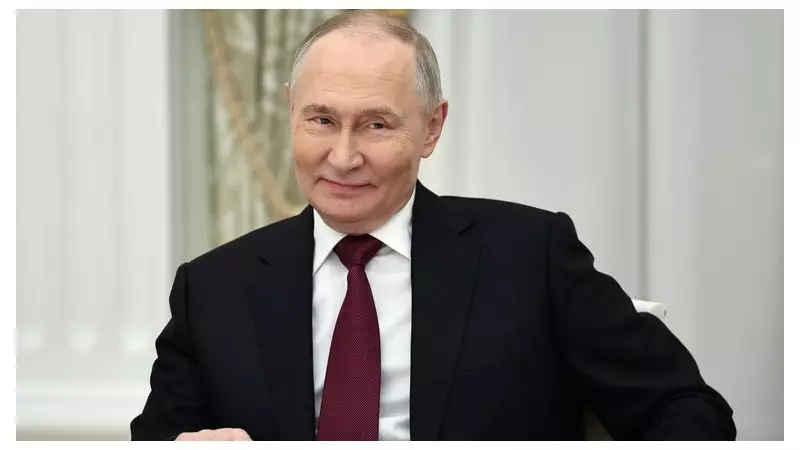
Shortly before the summit convened, Vladimir Putin struck a defiant tone at an investment forum. He accused European powers of altering peace proposals with demands Russia finds "absolutely unacceptable", stating they were "on the side of war". "We're not planning to go to war with Europe," Mr Putin said, "But if Europe suddenly wants to fight us and starts, we're ready right now. There can be no doubt about that."
'Productive' But Inconclusive Negotiations
Following the lengthy meeting, both sides agreed not to disclose precise details. However, in a brief social media post, Russian envoy Kirill Dmitriev characterised the discussions with the single word: "productive". Yuri Ushakov offered a slightly more detailed assessment, calling the talks "rather useful, constructive".
When questioned if peace was now closer, Mr Ushakov remarked, "Not further, that's for sure". Despite this cautiously positive framing, he delivered a significant caveat: no compromise had been reached on the critical issue of territories. The Kremlin sees "no resolution to the crisis" without one. Russia is demanding control over the entirety of the Donbas region, including areas it does not currently hold, a prospect Ukraine has firmly rejected.
Mr Ushakov acknowledged that "still a lot of work to be done, both in Washington and in Moscow" and confirmed that "contacts will continue". The meeting followed the leak of an initial 28-point US peace plan that alarmed European officials, who believed it heavily favoured Russia. A refined framework was later developed after talks between the US, Europe, and Ukraine in Geneva last month.
Zelenskyy's Cautious Optimism in Dublin
As the Moscow summit unfolded, Ukrainian President Volodymyr Zelenskyy was in Dublin meeting with Irish leaders. He expressed a readiness to meet with Donald Trump again, but indicated it would depend on the outcome of the talks in Russia. Mr Zelenskyy described the current moment as "one of the most challenging but optimistic moments" since the full-scale invasion began in 2022, crediting the US with taking "serious steps to end this war one way or another".
"The chances of ending the war are better now than ever," President Zelenskyy stated, while also warning there would be "no easy decisions" and insisting there must be "no games behind Ukraine's back". He emphasised the need for a "decent, dignified peace". During his visit, the Irish government announced a further €100m (£88m) in non-lethal aid for Ukraine, bringing its total such support for the year to €200m (£176m). The new partnership includes funding for energy infrastructure protection and support for Ukraine's EU accession path, which Mr Zelenskyy hopes to achieve within five years.
The juxtaposition of events – tough talks in Moscow, martial warnings from the Kremlin, and diplomatic appeals from Ukraine's leader abroad – underscores the fragile and volatile state of the conflict. While dialogue continues, the fundamental rift over territory remains a formidable barrier to peace.