Nigeria Steps Onto Global Stage with UK State Visit and Economic Agreements
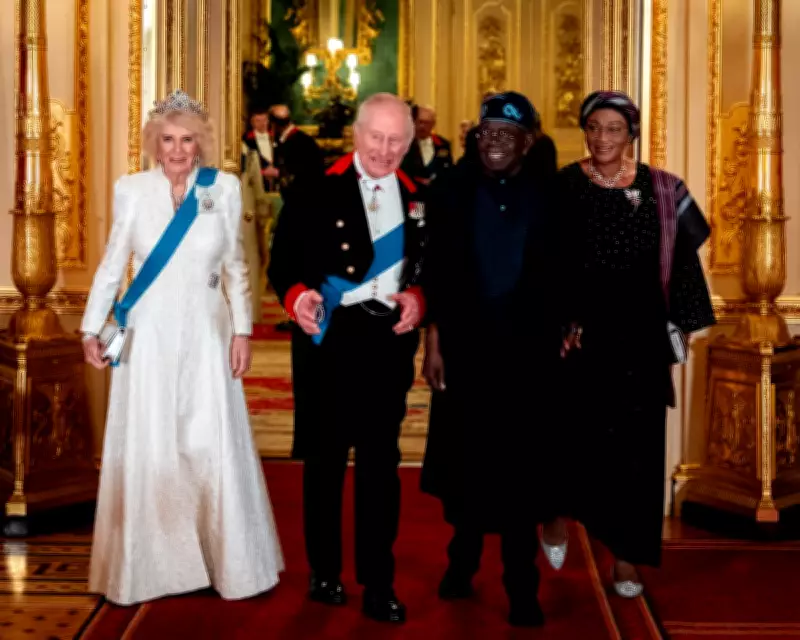
In a significant diplomatic event, King Charles welcomed Nigerian President Bola Tinubu and his wife, Oluremi Tinubu, to a state banquet at Windsor Castle last week. This visit, the first by a Nigerian president in 37 years and only the second African leader ever hosted at the castle, signals Nigeria's reemergence as a key player on the world stage. Amid growing calls from African and Caribbean nations for reparative justice for transatlantic slavery and colonialism, the two countries are prioritizing future economic ties.
Historical Shadows and Forward-Looking Cooperation
During the banquet, King Charles acknowledged the painful chapters in the shared history between the UK and Nigeria, stating, "There are chapters in our shared history that I know have left some painful marks." He emphasized moving forward together, quoting Hausa, Igbo, and Yoruba proverbs and toasting in pidgin. While reparations are expected to be discussed at the upcoming Commonwealth heads of government meeting, the focus of the visit was on building a new economic partnership.
A key agreement involves the UK guaranteeing a £746 million loan to refurbish two of Nigeria's trading ports. This deal will direct at least £236 million in contracts to British suppliers, including £70 million for British Steel, which will supply 120,000 tonnes of steel billets to Nigeria. This support aims to bolster the UK's struggling steel industry while helping Nigeria achieve its ambition to become a regional maritime hub for West and Central Africa.
Diversifying Partnerships and Strengthening Sectors
Nigeria is seeking to reduce its economic dependency on oil by diversifying global partnerships. The state visit highlighted cooperation in fintech, creative industries, and higher education. For instance, Nigeria's Zenith Bank is opening a branch in Manchester, and fintech companies like LemFi, Kuda, and Moniepoint are expanding their UK operations. Additionally, the countries announced state cooperation on customs and irregular migration, with Nigeria also strengthening ties with the EU.
King Charles praised the contributions of the Nigerian diaspora in the UK, noting that about 270,000 people in England and Wales identify as Nigerian. Guests at the banquet included notable figures such as England rugby captain Maro Itoje, Olympic gold medalist Christine Ohuruogu, and chef Adejoké Bakare. The event also featured accommodations for Muslim guests during Ramadan, including canapés before dinner and a prayer room, with a mocktail inspired by the Nigerian drink Chapman.
Challenges and Opportunities Ahead
While the visit was celebrated in Nigeria as a vote of confidence, analysts urge caution. They emphasize the need for the deals to materialize fully and ensure that foreign investment does not lead to dependency or disadvantage domestic industries. Historically, Nigeria's relationship with the UK has been marked by extraction, from palm oil and cotton during colonialism to Shell's oil operations. The Benin bronzes, looted in 1897, remain a focal point for restitution campaigns.
Trade between Nigeria and the UK grew 11.4% to £8.1 billion in the past year, with the UK maintaining a £3.4 billion surplus. Despite this, Tinubu's reforms aim to stabilize Nigeria's economy in a changing global order. As both nations look to the future, balancing economic growth with addressing historical injustices will be crucial for a sustainable partnership.