Ukrainian President Volodymyr Zelenskyy is preparing for critical discussions with US counterpart Donald Trump concerning what he describes as "the most delicate points" of a proposed peace plan, even as Russian drones continue to pound Kyiv with damaging attacks.
Peace Plan Negotiations Intensify
American and Ukrainian officials have been engaged in detailed discussions in Geneva regarding a controversial 28-point proposal initially drawn up by the United States and Russia. This original plan has since been countered by an amended version created by Kyiv's European allies, creating a complex diplomatic landscape.
White House spokeswoman Karoline Leavitt confirmed that as of Monday night, several points of disagreement remained unresolved. However, she emphasised there was a "sense of urgency" to reach an agreement that would end the ongoing conflict. "The president wants to see this deal come together, and to see this war end," Ms Leavitt stated during a press briefing.
President Zelenskyy echoed this sentiment in his nightly video address, acknowledging that "there is still work for all of us to do to finalise the document." He stressed the importance of handling the process "with dignity" and confirmed his intention to discuss the most sensitive aspects directly with President Trump.
Diplomatic Moves and Military Actions
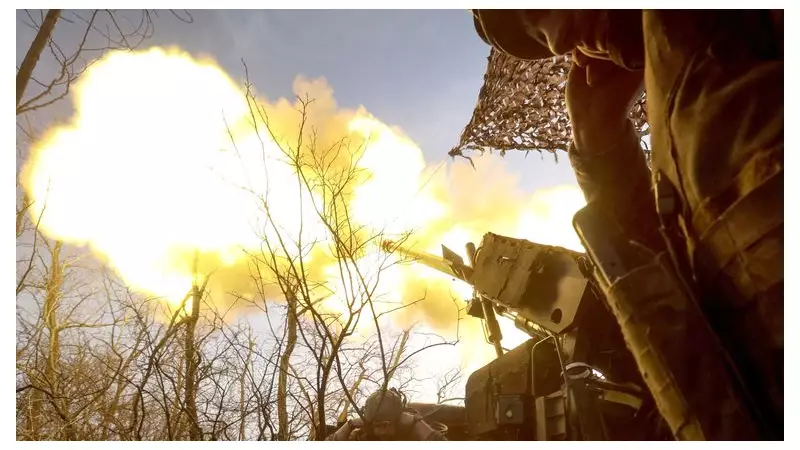
The diplomatic developments come alongside continued military aggression from Russia. Early Tuesday morning, Russian drone strikes hit residential buildings in Kyiv, triggering fires and forcing evacuations. Several people were reported injured in the attacks, which represent an ongoing pattern of aerial assaults on the Ukrainian capital.
Meanwhile, the original American-Russian peace proposal has faced significant scrutiny. US Secretary of State Marco Rubio denied claims that Russia had authored the initial plan, though it appeared to incorporate several longstanding Kremlin demands that Ukraine has previously found unacceptable. These included territorial concessions beyond areas currently occupied by Russian forces.
Moscow has already signalled its opposition to the European counterproposal, which would halt fighting at current front lines while deferring territorial discussions for later negotiations. The European version also includes a NATO-style US security guarantee for Ukraine, a provision likely to face Russian objections.
International Coordination and Chinese Involvement
British Prime Minister Sir Keir Starmer is set to chair a virtual meeting of Ukraine's allies in the so-called "coalition of the willing" today. Sir Keir emphasised the alliance's focus on achieving a "just and lasting peace," noting that the conflict in Ukraine has had "a direct impact here in the UK."
The war also featured prominently in discussions between President Trump and Chinese leader Xi Jinping during a phone call on Monday. According to Chinese state news agency Xinhua, Mr Xi urged "all parties" involved in the conflict to "reduce differences" and reiterated China's support for all peace efforts. China has maintained its alliance with Russia throughout the invasion and remains, alongside India, the top purchaser of Russian oil.
As negotiations continue, the situation remains fluid with Secretary Rubio downplaying earlier deadlines that had given Kyiv until Thursday to agree to terms, suggesting instead that officials could keep negotiating beyond any artificial timeframe.