Jerusalem Braces for Potential War as US-Iran Tensions Rise
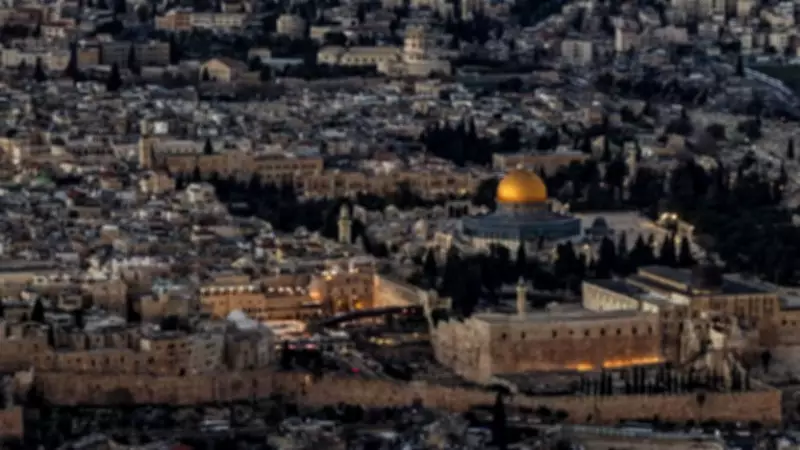
In the historic Old City of Jerusalem, a palpable sense of unease grips the streets as residents and business owners confront the looming possibility of war between the United States and Iran. Adam Parsons, Middle East correspondent, spoke with locals who are feeling the strain of escalating geopolitical tensions, with many expressing fear and uncertainty about what lies ahead.
Empty Streets and Economic Strain
Mohammed Liftawi, who operates two shops filled with clothing, bedding, jewellery, souvenirs, and ornaments, sits idle, waiting for customers who have vanished. "Jerusalem is very empty," he says, gesturing toward the quiet lanes. "We have no tourists, we have nothing. They have fled because of the war." Having endured the COVID-19 lockdown, his business now faces another severe slowdown, and he fears an imminent conflict. When asked if he believes another war is coming, Liftawi responds, "To be honest, from what I hear, yes I think so. I think there will be another war. And nobody likes war."
The area, just a short walk from the Church of the Holy Sepulchre and Jaffa Gate, is unnervingly quiet, with the absence of tourists casting a shadow over the normally bustling historic sites and shops.
Divergent Views on Military Action
At Jaffa Gate, Moshe Cohen, 23, presents a starkly different perspective. He openly supports military action against Iran, hoping it begins within days. "Because they give all the money to Gaza, to Hamas. Everything comes from them. It's a lot of money. So you have to take off the head and make the world a better place," he explains. When questioned about the possibility of the US not attacking, Cohen asserts that Israel should proceed alone if necessary, with his friend Bezalel nodding in agreement. Both are convinced that an attack on Iran is inevitable.
Uncertainty and Fatalism Among Residents
In contrast, Khalil Al-daqaq, a 67-year-old shopkeeper whose family has run a business near the Holy Church for decades, admits to not knowing what the future holds. "Trade is bad, but we are surviving," he says. "It could be worse. I'm a very optimistic person. In this country, you have to be." He describes the atmosphere as tense and unpredictable, noting that some people are genuinely scared. "What we are missing over here are logical, sensible guys. For the leaders… we're just numbers to them," he adds, highlighting a sense of fatalism that permeates the community.
This fatalistic outlook is echoed by Yaakov Simcha, a 21-year-old from New Jersey studying the Torah. "I have no idea. I'm not nervous or anything. I believe in God, and I believe that whatever he wants to happen is going to happen. And so, you know, I think his plan is going to work," he says with a smile, indicating a resigned acceptance of events beyond his control.
Broader Implications for the Region
The interviews reveal a city divided by fear and differing opinions on conflict, with the potential for war disrupting not only daily life but also the fragile economy reliant on tourism. As tensions between the US and Iran continue to escalate, Jerusalem remains on edge, with its residents bracing for an uncertain future that could reshape the Middle East landscape.