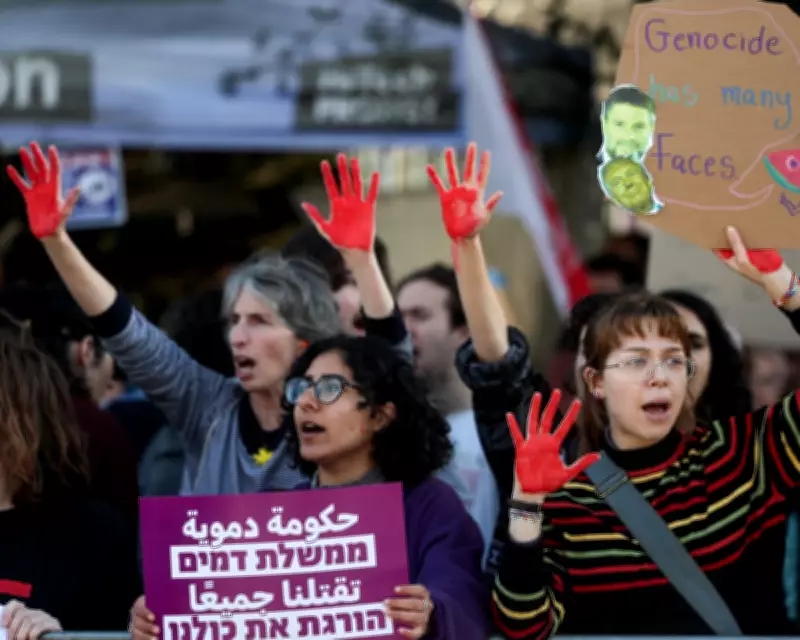
Israel's Controversial Death Penalty Legislation Ignites Global Backlash
In a move that has reverberated across the international community, Israel has enacted a new law permitting the death penalty for individuals convicted of terrorism. This legislative development, passed by the Israeli parliament, has immediately drawn sharp criticism from numerous countries and human rights organizations worldwide. The law specifically targets terrorists involved in deadly attacks, marking a significant shift in Israel's legal approach to combating terrorism.
International Condemnation and Diplomatic Fallout
The international response has been swift and overwhelmingly negative. Key allies, including several European nations and the United States, have expressed deep concerns over the law's implications for human rights and due process. Critics argue that the death penalty violates fundamental human rights principles and could exacerbate tensions in the region. Diplomatic channels have been activated, with some countries considering formal protests or reviewing their bilateral relations with Israel in light of this controversial measure.
Human rights groups have been particularly vocal, labeling the law as a step backward in the global fight against capital punishment. They warn that it sets a dangerous precedent and could lead to miscarriages of justice, especially in cases where evidence might be circumstantial or influenced by political pressures. The United Nations has also weighed in, with officials urging Israel to reconsider the law and align its policies with international human rights standards.
Legal and Ethical Debates Intensify
Within Israel, the law has sparked intense debate among legal experts, politicians, and the public. Proponents argue that it serves as a necessary deterrent against terrorism, providing a harsh punishment for those who commit heinous acts. They contend that in a region plagued by violence, such measures are essential for national security and justice for victims' families.
However, opponents highlight ethical and practical concerns. They point out that Israel has not carried out an execution since 1962, and reinstating the death penalty could undermine its moral standing globally. Additionally, there are fears that the law might be applied disproportionately or used in politically charged cases, leading to further instability. The Israeli Supreme Court may face challenges to the law's constitutionality, adding another layer of complexity to this contentious issue.
As the controversy unfolds, the global community is closely monitoring Israel's next steps. The law's implementation and any subsequent executions are likely to fuel ongoing debates about justice, security, and human rights in conflict zones. This development underscores the delicate balance between national security measures and international human rights obligations, with potential long-term impacts on Israel's diplomatic relations and its role on the world stage.