Civil Defence Teams Deploy After Tehran Airstrikes as Writer Voices Hope for Liberation
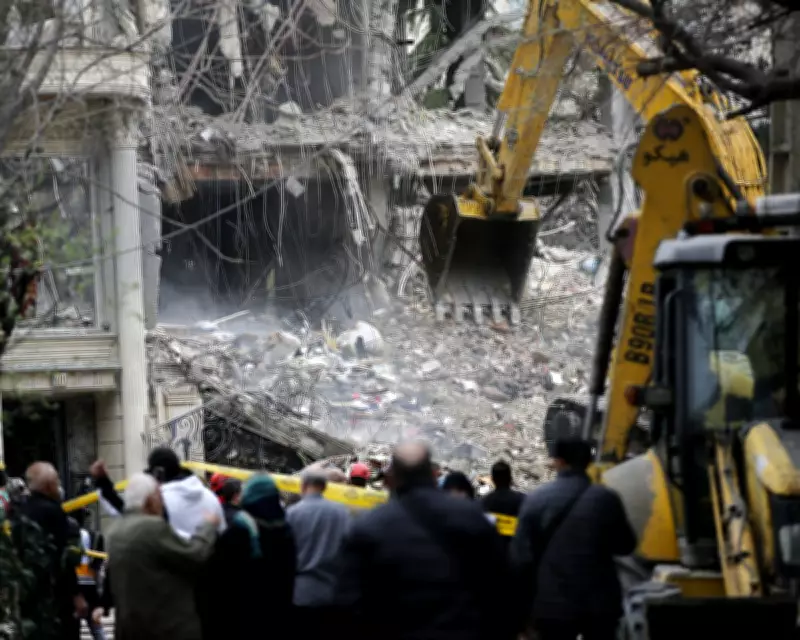
Civil defence and search and rescue teams have been deployed across Tehran, Iran, following devastating airstrikes on March 23, 2026. The attacks have plunged the city into chaos, with residents hiding indoors due to explosions and hazardous acid rain. Thousands have perished in what is being described as the worst period of suffering for Iranians in nearly five decades.
Caught Between Foreign Bombs and Domestic Oppression
Iranian-American writer Azar Nafisi, author of Reading Lolita in Tehran, reveals that the Iranian people face dual threats: foreign military strikes and continued brutal oppression from their own government. Security forces patrol streets with weapons, beating, arresting, and killing citizens in a pattern familiar to those who witnessed recent protests against the Islamic Revolutionary Guard Corps.
"Just a month ago, Tehran's streets were filled with protesters chanting 'Woman, life, freedom' while discarding mandatory veils," Nafisi recalls. "Their joyful defiance amidst regime bullets embodies Iran's indomitable spirit."
A Cultural Heritage That Defies Destruction
Nafisi, who left Iran for the United States in 1997, emphasizes that Iran's continuity lies not in political structures but in cultural resilience. "Even truck drivers display poems by Hafez, Saadi, and Ferdowsi on their bumpers," she notes, highlighting a literary tradition that has survived centuries of invasion and repression.
Despite internet restrictions, proliferating checkpoints, and overcrowded prisons where food shortages now occur, Nafisi maintains hope. She believes the current US-Israeli conflict could paradoxically liberate Iranians from decades of authoritarian rule.
Personal Losses and Universal Freedom
The writer shares poignant memories of former students, including Razieh, a young Muslim girl executed by the regime despite her passion for Henry James's independent female characters. "Razieh's story represents why Iran's fight for freedom remains existential," Nafisi states.
She argues that Iran's struggle transcends borders, recalling women's protests during the 1979 revolution: "'Freedom is neither eastern nor western. Freedom is universal.'" As bombs damage UNESCO sites and infrastructure, Nafisi insists intangible cultural treasures—stories, poems, art, and music—will outlast both war and regime.
"Life is disturbing," she concludes. "But Iran shows that even in darkness, hope persists through cultural memory and collective resistance."