Iran has initiated a formal diplomatic protest by summoning ambassadors from the European Union in response to the EU's decision to designate the Revolutionary Guard as a terrorist organisation. This move, announced by Iranian foreign ministry spokesman Esmail Baghaei, involves meetings that began on Sunday and are set to continue into Monday, as Tehran expresses its strong opposition to what it deems an illegal and unreasonable action.
Reciprocal Action Under Consideration
In a stern warning, Baghaei indicated that Iran is contemplating reciprocal measures against the EU's listing, which he described as a very wrong move. The EU's decision, made last week, was a direct response to the deadly crackdown on protests in Iran, where thousands have reportedly been killed. This escalation in tensions highlights the deepening rift between Iran and European nations over human rights and security issues.
Parliamentary Response and Legal Basis
The speaker of Iran's parliament responded on Sunday by declaring that the Islamic Republic now considers all European Union military forces to be terrorist groups, citing a 2019 law. This retaliatory statement underscores the hardening stance from Tehran, as it seeks to counter the EU's symbolic yet impactful designation, which could further strain diplomatic relations and add to Iran's economic pressures.
Regional Tensions and Diplomatic Signals
The exchange occurs amid heightened regional tensions, following weeks of protests in Iran and the subsequent government crackdown. In a related development, US president Donald Trump has threatened intervention, deploying the USS Abraham Lincoln aircraft carrier and several guided-missile destroyers to the region. However, recent signals from both Washington and Tehran suggest a willingness to revive diplomacy, with Iran weighing terms for resuming talks with the United States soon, as Mr Trump has expressed a desire to make a deal.
Historical Context of the Revolutionary Guard
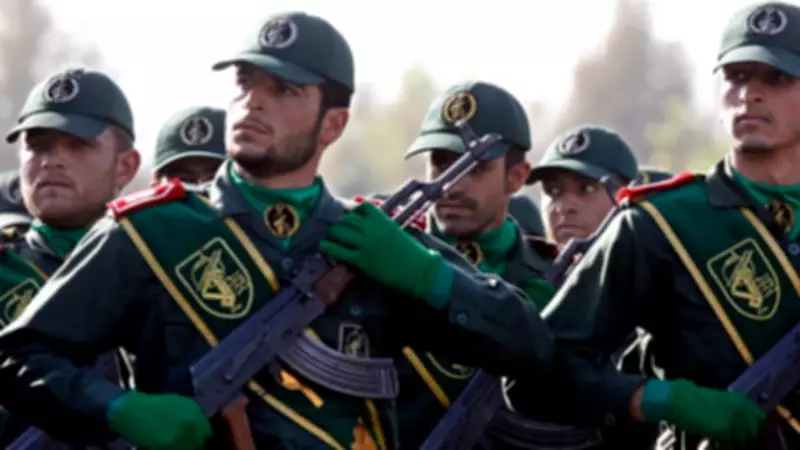
The Revolutionary Guard, which emerged from Iran's 1979 Islamic Revolution, was established as a force to protect the new cleric-led regime. It operates alongside the country's regular armed forces and gained significant power during the long war with Iraq in the 1980s. Under the authority of Iran's supreme leader Ayatollah Ali Khamenei, the organisation expanded into private enterprise and is believed to have played a major role in suppressing this year's demonstrations.
By following other countries such as the US and Canada in listing the Revolutionary Guard as a terrorist group, the EU's action, while largely symbolic, represents a concerted international effort to address Iran's paramilitary activities. The summoning of ambassadors serves as a formal diplomatic tool, allowing Iran to express its anger and potentially pave the way for further negotiations or confrontations in this volatile geopolitical landscape.