Iran's Regime Navigates Renewed Protests and Potential Nuclear Deal with Trump
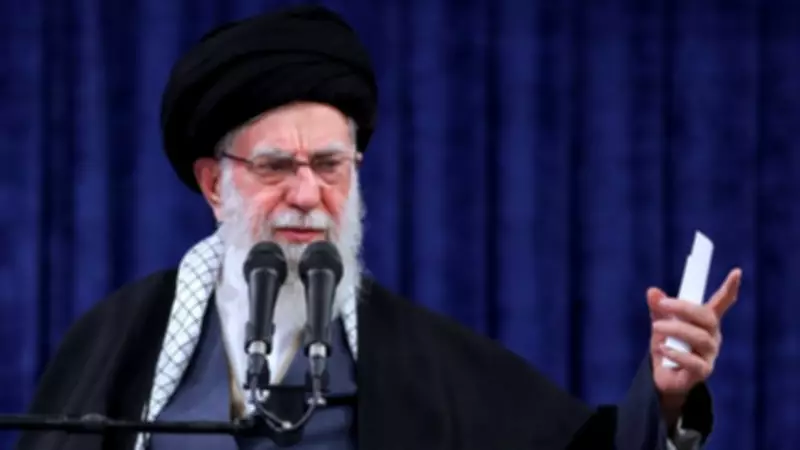
As student-led protests have resumed in Tehran, Iran's regime, led by Ayatollah Ali Khamenei, has signaled a willingness to strike a deal with former U.S. President Donald Trump on the nuclear programme, while also demonstrating readiness to fight if necessary. The Supreme Leader recently described some protesters as 'naive and inexperienced,' yet emphasized they remain 'part of us, they were our children,' in a speech that underscores the regime's complex stance amid ongoing unrest.
Protests Erupt Across Iranian Universities
Over the weekend, pro- and anti-regime activists clashed at five universities in Tehran, coinciding with the start of the new academic term and the 40th day of mourning for many of the thousands killed by security forces in early January. At Ferdowsi University in Mashhad, Iran's second city and Khamenei's birthplace, videos captured large gatherings of anti-regime protesters chanting slogans such as 'so much crime all these years' and 'death to this rule.'
These demonstrations, while smaller in scale compared to the widespread uprisings six weeks ago that spanned all 31 provinces, represent a brave act of defiance given the authorities' severe crackdown in January. The exact death toll from that period remains disputed: the U.S.-based Human Rights Activists Agency (HRANA) has verified at least 7,015 fatalities, with thousands more cases under review, whereas the Iranian government has admitted to 3,117 deaths, including around 200 security personnel. Donald Trump has claimed the figure could be as high as 32,000.
Historical Context and Mourning Rituals
The 40th day of mourning holds significant importance in Iranian culture, often serving as a flashpoint for renewed protests. During the 1979 revolution, such commemorations sparked cycles of unrest, leading to further crackdowns and killings. Consequently, the regime has been cautious about allowing public gatherings for these rituals. Recent clashes in Abdanan, a city near the Iraqi border, saw mourners chanting 'death to Khamenei' in memory of Alireza Seydi, a 16-year-old boy killed on January 8th, with videos capturing the sound of gunfire echoing through the valley.
Internet access in Iran has been restored but remains patchy, making it difficult to assess the full extent of the authorities' response to the latest unrest. In his speech, Ayatollah Khamenei attempted to downplay the protests, attributing some participants' actions to deception by rioters, while still acknowledging their place within the Iranian community.
Strategic Moves Amid U.S. Military Buildup
Facing a U.S. military buildup across the Middle East, Iranian authorities appear to be avoiding heavy-handed tactics with protesters to prevent provoking Donald Trump. Instead, they are focusing efforts on potential negotiations over Iran's nuclear programme, which could commence as early as next week. The regime is signaling a dual approach: preparedness to work towards a diplomatic deal, coupled with a readiness to fight if the U.S. launches a strike.
Now, the decision rests with Donald Trump, who must determine whether to pursue a deal, how long to wait for negotiations, and what actions to take if an agreement fails to materialize. This delicate balance highlights the ongoing tensions in the region, as Iran navigates internal dissent and external pressures.