
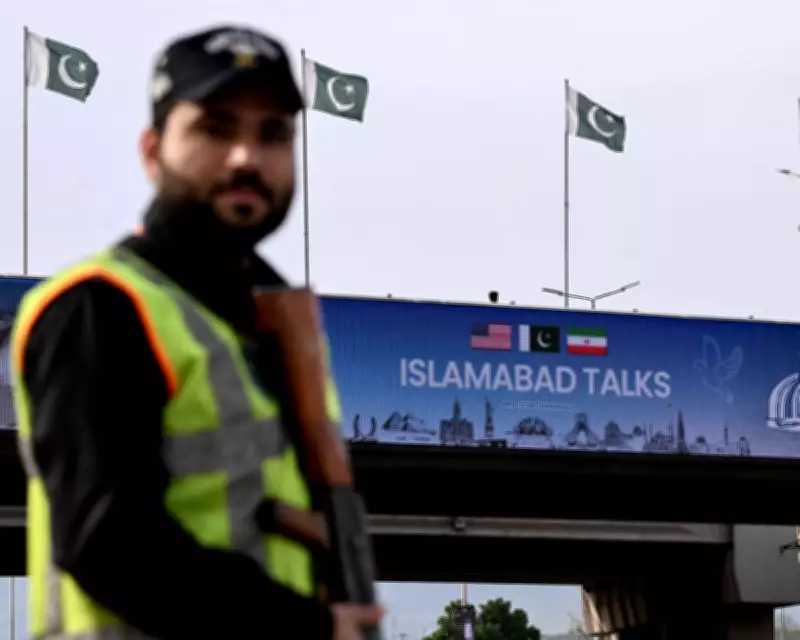
In a significant diplomatic development, Iranian officials have arrived in Islamabad, Pakistan, to engage in conditional peace talks with representatives from the United States. This meeting, set against the backdrop of ongoing Middle East tensions, aims to address critical issues and explore pathways toward de-escalation and stability in the region.
Background and Context of the Talks
The peace talks come at a time of heightened geopolitical friction in the Middle East, with recent conflicts and proxy wars exacerbating regional instability. The conditional nature of these discussions suggests that both parties have set specific preconditions or frameworks for negotiation, which could include topics such as nuclear agreements, economic sanctions, and security arrangements.
Key Participants and Objectives
Iranian delegates, including senior officials from the foreign ministry, are leading the negotiations on behalf of Tehran. On the US side, diplomats and envoys are expected to represent American interests, focusing on issues like Iran's nuclear program and its regional influence. The choice of Islamabad as the venue highlights Pakistan's role as a neutral mediator in facilitating dialogue between the two nations.
The primary objective of these talks is to establish a foundation for reducing hostilities and preventing further escalation. By engaging in direct discussions, both Iran and the US hope to clarify their positions and potentially reach interim agreements that could pave the way for more comprehensive deals in the future.
Implications for Regional Stability
If successful, these peace talks could have far-reaching implications for Middle East stability. A reduction in tensions between Iran and the US might influence other regional actors, such as Israel and Saudi Arabia, and contribute to a more peaceful environment. However, the conditional aspects of the negotiations mean that progress may be slow and dependent on mutual concessions.
Experts note that while the talks represent a positive step, significant challenges remain. Historical animosities, divergent strategic interests, and domestic political pressures in both countries could hinder the achievement of a lasting agreement. Nonetheless, the mere fact of dialogue is seen as a hopeful sign in a region often marked by conflict.
Future Prospects and Monitoring
As the talks proceed, international observers will closely monitor developments for any signs of breakthrough or breakdown. The outcome could impact global energy markets, security alliances, and diplomatic relations worldwide. Stakeholders, including European nations and regional powers, are likely to express support for the process while advocating for outcomes that align with their own interests.
In summary, the arrival of Iranian officials in Islamabad for conditional peace talks with the US marks a critical juncture in Middle East diplomacy. While uncertainties persist, this initiative underscores the ongoing efforts to foster dialogue and seek peaceful resolutions to complex geopolitical disputes.




