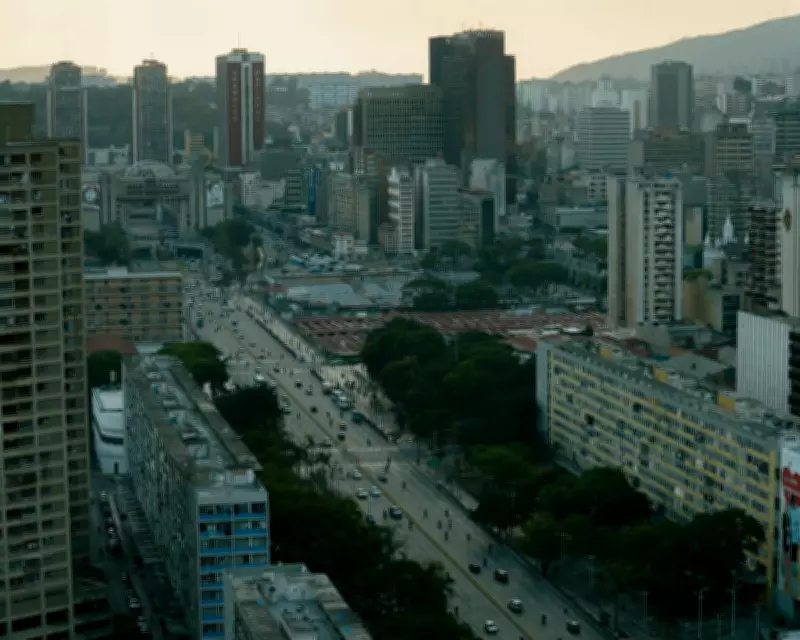
Over breakfast in one of Caracas' most luxurious hotels, conversations in hushed tones reveal the future of Venezuela. Diners enjoy fried eggs, black beans, and arepas while discussing election roadmaps, political fragmentation, and oil-driven economic growth. However, these discussions are not in Caribbean Spanish by Venezuelan officials, but in North American accents from US officials, diplomats, and spies who now call the shots after Donald Trump's controversial military intervention on January 3.
The JW Marriott: A Hub of US Influence
Since Trump's decision to abduct President Nicolás Maduro and reset relations with his successors, the five-star JW Marriott has become the nerve center of Washington's efforts to steer Venezuela, now considered a US protectorate. The hotel effectively serves as the US embassy, as the actual embassy building remains infested with rats and cockroaches after seven years of closure.
Phil Gunson, a Caracas-based political analyst for Crisis Group, noted that nobody works at the actual embassy. The conversations overheard in the hotel's restaurant offer insight into Venezuela's plight after nearly 13 years of economic chaos under Maduro. An energy specialist discussed the dire state of the electrical grid, blaming Chinese software and infrastructure for frequent blackouts. Diplomats debated the likelihood of fresh elections, which opposition leaders hope for but interim President Delcy Rodríguez seems reluctant to call.
Corporate Takeover and Foreign Interests
Throughout the day, English-speaking officials and fortune hunters roam the 17-floor building, which has nearly 300 rooms, a gym, and a pool. Bullet-proof SUVs ferry guests, including Trump's top diplomat John Barrett. Two buildings away, a propaganda poster of Maduro still hangs. In the hotel's restaurant and meeting rooms, patrons plot what locals call "the corporate takeover" of Venezuela, to the sound of Brazilian bossa nova.
Across the street, the Juan Sebastian Bar offers foreign visitors a place to unwind. While the JW Marriott is the headquarters of US presence, major deals are made at the Cayena hotel, where rooms cost about $600 a night. One deal-maker recalled encountering at least four foreign billionaires, all interested in mining and privatizations.
Local Reactions and Concerns
The Trumpian takeover has caused discomfort among patriotic Venezuelan elites, who are glad to see Maduro gone but resent the idea of their country becoming a US colony. Trump warned Rodríguez that she would face a worse fate than Maduro if she failed to comply. On the streets, anger is palpable. During a Workers' Day rally, socialist economist Oswaldo Pacheco denounced the government's "neocolonial collaboration" with Trump, accusing new rulers of following US orders to plunder resources.
Despite huge doubts over Venezuela's future and democracy, capitalists remain buoyant. At a third luxury hotel, the Renaissance, a Venezuelan oil man predicted the country would become the best in the world, expressing extreme optimism.