International Humanitarian Law Faces Unprecedented Challenges in Modern Conflicts
The principles of international humanitarian law, designed to protect civilians and limit the horrors of war, are currently under severe strain in multiple global hotspots. Recent developments in Gaza, Sudan, and Ukraine highlight a disturbing trend of widespread violations that threaten to erode decades of established legal norms. This crisis not only endangers innocent lives but also sets dangerous precedents for future conflicts, calling into question the effectiveness of international enforcement mechanisms.
Gaza: A Case Study in Civilian Suffering and Legal Breaches
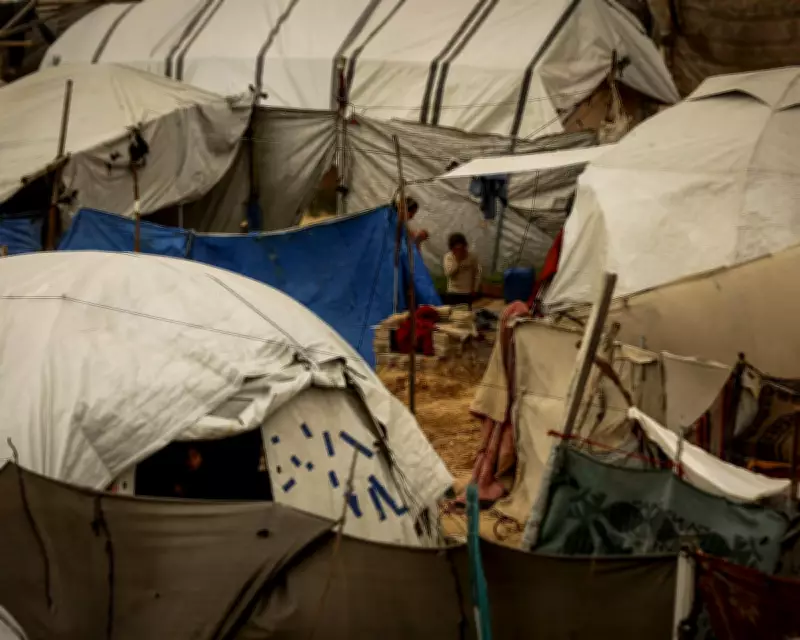
In Gaza, the ongoing conflict has resulted in catastrophic humanitarian consequences, with reports indicating significant breaches of international humanitarian law. Civilian infrastructure, including hospitals, schools, and residential areas, has been heavily damaged or destroyed, raising alarms about compliance with rules prohibiting indiscriminate attacks. The high number of civilian casualties, particularly among women and children, underscores failures in distinguishing between combatants and non-combatants, a core tenet of the law. Aid access restrictions have further exacerbated the crisis, violating obligations to allow humanitarian relief.
Sudan: Escalating Violence and Accountability Gaps
Sudan's internal conflict has seen a rapid escalation of violence, with both state and non-state actors accused of grave violations. Mass displacement, targeted attacks on ethnic groups, and the use of prohibited weapons have been documented, pointing to systemic disregard for international humanitarian law. The lack of robust international intervention and accountability mechanisms has allowed these abuses to persist, highlighting the challenges of enforcing legal standards in complex civil wars. This situation risks normalizing impunity and undermining global efforts to uphold human rights during armed conflicts.
Ukraine: Warfare Tactics and Legal Boundaries Tested
The war in Ukraine has brought to light numerous allegations of violations, including attacks on civilian areas, use of cluster munitions, and mistreatment of prisoners of war. Both sides have been implicated, though evidence often points to more severe breaches by invading forces. The conflict has tested the resilience of international humanitarian law in the face of modern warfare tactics, such as cyber attacks and information warfare, which blur traditional legal lines. Efforts by international bodies to investigate and prosecute these crimes are ongoing, but face significant political and logistical hurdles.
Global Implications and the Path Forward
The concurrent crises in Gaza, Sudan, and Ukraine represent a broader challenge to the international legal order. Key issues include:
- Enforcement Deficiencies: The inability to consistently hold violators accountable weakens the deterrent effect of international humanitarian law.
- Political Will: Geopolitical interests often hinder unified action, allowing abuses to continue unchecked.
- Civilian Protection: The rising toll on non-combatants calls for urgent reforms to strengthen protective measures.
To address this, experts advocate for enhanced monitoring, stronger diplomatic pressure, and support for international courts. Without decisive action, the erosion of these legal standards could lead to more brutal conflicts worldwide, with devastating humanitarian consequences. The international community must reaffirm its commitment to upholding these laws to prevent further suffering and maintain global stability.