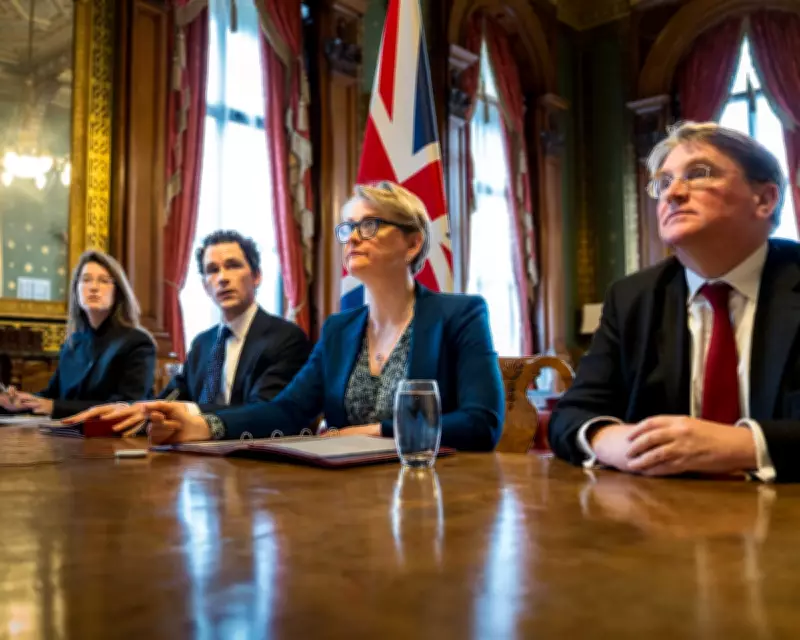
International Coalition Explores Measures to Reopen Vital Shipping Lane
Foreign Secretary Yvette Cooper chaired a virtual summit involving more than forty countries to deliberate on coordinated actions aimed at pressuring Iran to reopen the Strait of Hormuz. The gathering focused on evaluating every possible diplomatic, economic, and coordinated measure to address the closure of this critical maritime route, which has triggered widespread global repercussions.
Global Impacts of Iran's Actions
During the summit, Cooper emphasized that Iran's reckless strikes on international shipping and its attempts to hijack the global economy are adversely affecting nations worldwide, including those with no involvement in the conflict. She highlighted specific consequences, such as rising petrol prices and mortgage rates in the UK, alongside disruptions to jet fuel supplies globally, fertilizer shipments to Africa, and gas deliveries to Asia.
Whitehall sources revealed that discussions included strategies to engage more countries from the global south in applying economic pressure on Iran, ensuring it does not benefit from the strait's closure. The level of condemnation from nations typically hesitant to impose sanctions was noted as particularly significant.
Humanitarian and Military Considerations
The United Nations is examining the feasibility of establishing a humanitarian shipping corridor to facilitate fertilizer transport, aiming to prevent food shortages in vulnerable regions. Additionally, a follow-up military discussion is scheduled for next week, convened by Britain's Permanent Joint Headquarters in Northwood, London, to explore options for clearing sea mines and rescuing trapped vessels in the strait.
World Bank predictions underscore the severity of the situation, warning that a prolonged blockage could push 9 million people into food insecurity, exacerbating already unsustainable increases in oil and food prices affecting households and businesses globally.
International Perspectives and Political Reactions
The summit proceeded without participation from the United States, which initiated the conflict with Iran. Attendees included the UK, France, Germany, Australia, and several Gulf nations, all exploring avenues to restore access to the maritime route. Australian Foreign Minister Penny Wong expressed concerns over Iran's actions causing unprecedented energy supply shocks and disproportionately impacting vulnerable communities, including those in the Indo-Pacific region.
Political figures in the UK offered varied viewpoints. Conservative leader Kemi Badenoch urged the US not to abandon the crisis it helped create, referencing Colin Powell's adage, If you break it, you own it. Reform UK leader Nigel Farage commented on the challenges of discerning US motivations, while Liberal Democrat leader Ed Davey called on Prime Minister Keir Starmer to intensify efforts to reopen the shipping route.
Former US President Donald Trump's remarks added a layer of complexity, as he suggested reliant nations should build up some delayed courage and just grab it, while mocking British capabilities in a recent exchange.
The Strait of Hormuz remains a pivotal conduit, handling 10-25% of the world's oil and gas supplies, making its closure a critical issue with far-reaching economic and humanitarian implications. The international community continues to seek collaborative solutions to mitigate the crisis and ensure global stability.