South Africa is hosting the G20 summit for the first time on African soil, but the prestigious event faces significant international and domestic challenges that threaten to undermine its credibility.
International Diplomacy Under Strain
The summit, taking place in Johannesburg under the theme "solidarity, equality and sustainability", has encountered resistance from the United States before it even begins. President Donald Trump is boycotting the event, where South African President Cyril Ramaphosa was scheduled to formally hand over G20 leadership to him.
Adding to the diplomatic tension, the US has warned South Africa against issuing a joint declaration at the conclusion of the summit, creating additional complications for the host nation's international debut.
Domestic Unrest and Civic Disobedience
Within South Africa, widespread civic disobedience has been coordinated by women's rights charities, nationalist groups, and trade unions. These organisations are using the global spotlight to highlight what they describe as the government's failure to address critical issues including femicide, immigration policies, and high unemployment rates.
The planned protests represent a significant challenge to the South African government, which hoped to present a unified front during this important international gathering.
Indigenous Communities Speak Out Against Exclusion
Perhaps the most symbolic challenge to the summit's credibility comes from South Africa's oldest communities, who feel deliberately excluded from discussions about inclusivity and sustainability.
Khoisan Chief Zenzile expressed his concerns to Sky News, stating: "There is a disingenuous thread that runs right through many of these gatherings, and the G20 is no different from any of them."
He voiced particular worry about the marginalisation of indigenous people and youth from the central agenda, despite the summit's professed commitment to equality.
Land Rights and Modern Development Clash
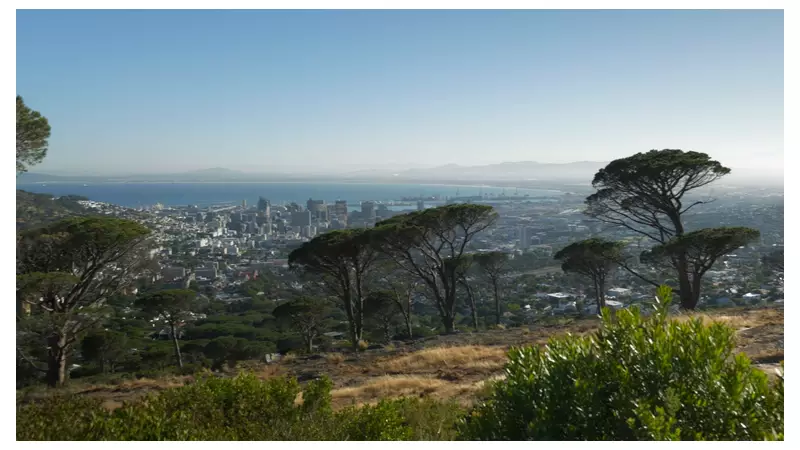
The tension between indigenous land rights and modern development is visibly apparent in Cape Town, where the sounds of construction for South Africa's Amazon headquarters echo near the First Nations Heritage Centre.
After years of being sidelined by government negotiations regarding construction on sacred Khoisan land, Chief Zenzile negotiated directly with developers to establish the heritage centre and sanctuary while retaining permanent land ownership.
He challenged the notion that indigenous communities cannot navigate the modern world, stating: "There are many people who like to fetishise indigenous people who want to relegate us to an anthropoid state... That is the most ridiculous notion - that the entire world must progress and we must be relegated to a state over which we have no agency."
Grassroots Land Reclamation Movement
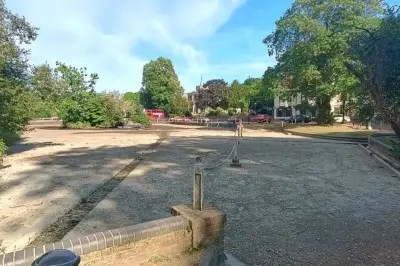
Approximately ninety minutes from Cape Town's centre, Khoi-San communities have taken direct action by seizing 2,000 hectares of land they claim historically belongs to them.
At Knoflokskraal, approximately 4,000 community members have established a settlement where they exercise full autonomy, addressing infrastructure gaps in water and electricity supply that the provincial government refuses to provide to residents it categorises as "squatters."
Dawid De Wee, president of the Khoi Aboriginal Party, explained their motivation: "The calling from our ancestral graves sent us down here, so we had an urge to get our own identity and get back to our roots... that was the driving motive behind everything we are here now to take back our ancestral grounds."
The community has plans to expand their reclamation efforts to include more territory originally taken by European settlers in the 1600s, highlighting how land reform remains a deeply contentious issue in post-Apartheid South Africa.
Indigenous Knowledge Absent from Sustainability Talks
For many Khoi-San leaders, the G20 represents their ongoing exclusion from the modern South African state. They have not received invitations to officially participate in events where themes like "solidarity, equality and sustainability" are being discussed, despite their communities' centuries of knowledge about living in harmony with the environment.
Instead of participating in the G20, tribal leaders from around the world gathered separately at Cape Point for the World Tribal Alliance.
Khoi-San Queen Eloise contrasted their approach with that of the G20, explaining: "G20 is a politically-based gathering - they are coming together to determine the future of people politically. The difference is that we will seek what Mother Earth wants from us and not what we want to do with technology or all those things politically, but the depth of where we are supposed to go."
As world leaders convene in Johannesburg, the exclusion of South Africa's indigenous communities from discussions about sustainability and equality raises fundamental questions about whose voices truly matter in shaping the continent's future.