Wave of Emotion as First Gazans Use Rafah Crossing to Return Home
In a poignant display of human resilience, the first Gazans have crossed the Rafah Crossing to return to their homeland, reuniting with loved ones amid the ongoing devastation of the Israeli-Palestinian conflict. This movement comes as Israeli airstrikes continue to claim lives, highlighting the stark contrast between the joy of homecoming and the harsh realities of war.
The Logic of Longing Over Safety
How does one explain the logic of people desperate to return to the shattered ruins of Gaza? They leave behind the relative safety and sanctuary of life in Egypt, rushing back to a place where basic necessities like running water and functioning hospitals are scarce, and the constant fear of airstrikes, collapsing buildings, and unexploded bombs looms large. The only explanation lies in the profound sense of longing that affects us all when separated from family, friends, and the place we call home.
It is estimated that more than 40,000 people fled the Gaza Strip during the war, and these individuals are among the first to make the journey back. Foreign journalists remain banned from entering Gaza, but local Gazan colleagues have been reporting on the ground, capturing the emotional reunions and outpourings of joy.
Personal Stories of Homecoming
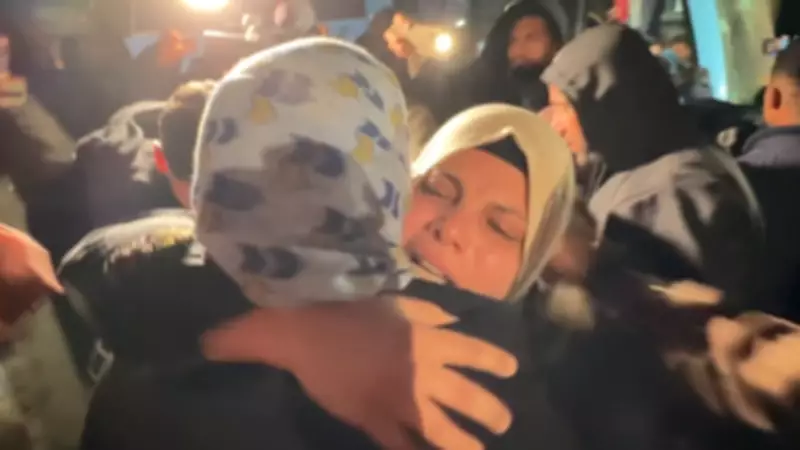
Kariza Bahloul, 48, described her return as an indescribable feeling, expressing immense happiness at reuniting with her husband, sons, family, and loved ones. She emphasised that the homeland feeling is the most important aspect of her return.
Nearby, Amati Othman Omran shared her story of leaving Gaza to accompany her husband for heart surgery in Egypt. Despite the separation, her love for Gaza never waned. She spent two years without peace, constantly thinking of her sons, brother, sisters, and family. Upon returning, she thanked God, saying she could smell Gaza's scent and air from afar.
Huda Abu Abed, who left during the first ceasefire after being traumatised by her son's death, returned to a land now largely destroyed. When asked how she felt about living in a tent surrounded by rubble, she replied, It is better than living in a villa. If I sit under a tree, it is better than being away from home. I am happy to get back to a tent, because that tent will contain my family.
Discordant Reality of Ongoing Violence
This intoxicating strain of optimism and loyalty feels discordant with the grim reality of life in Gaza. Everyday existence remains unpredictable and fragile, with the danger of sudden violence lingering over everything. Just hours after these emotional reunions, more than 20 Gazans were killed by a combination of Israeli tank and airstrikes, including a paramedic who had come to help.
The Israeli military issued a statement targeting one of the leaders of the 7 October massacre and expressing regret for any harm to uninvolved civilians, a rare move from the Israel Defence Forces. However, a separate statement accusing Hamas terrorists of using ambulances to transport weapons diluted these words of regret.
In Gaza, a place where some are desperate to flee and others are desperate to return, nothing is ever certain. The reopening of the Rafah Crossing, while a beacon of hope for many, underscores the complex and tragic dynamics of a conflict that continues to tear lives apart.