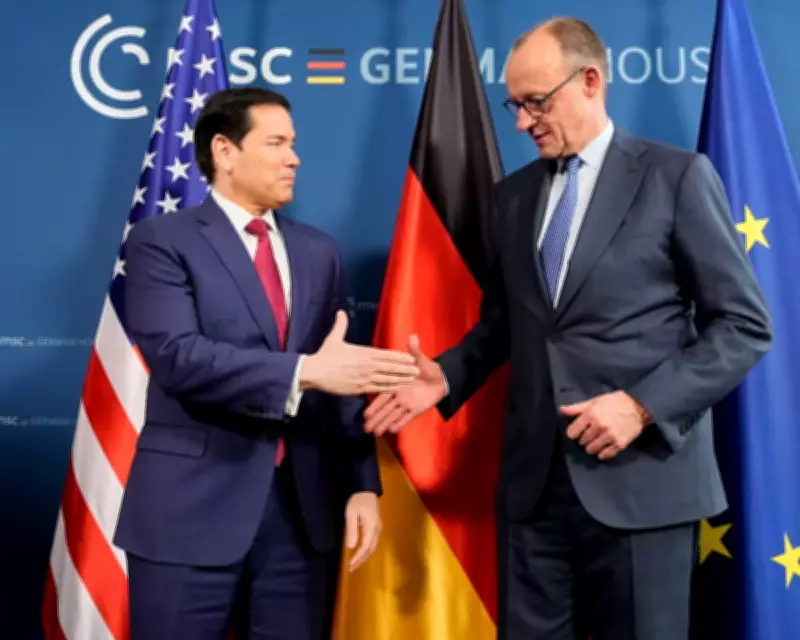
European Nations Display Resolute Unity in Response to Trump's Alliance Proposal
In a significant development in international diplomacy, European leaders are exhibiting a growing sense of steely resolve and collective determination in response to an offer from the Trump administration to join a new strategic partnership. This proposal, which aims to reshape global alliances, has been met with widespread skepticism and a firm stance from key European capitals, highlighting deep-seated concerns over the future of transatlantic relations.
A Firm Rejection of Overtures
The Trump administration's overture, framed as an invitation to embark on a "new era" of cooperation, has not been warmly received across Europe. Instead, it has sparked a robust debate among policymakers, with many expressing apprehension about the implications for European sovereignty and existing multilateral frameworks. This response underscores a broader trend of European nations asserting their independence and prioritizing unity within the European Union over external alliances that may compromise their strategic interests.
Diplomatic sources indicate that the offer was presented as a bold initiative to realign global power dynamics, but European officials have raised questions about its feasibility and long-term consequences. The rejection is not merely a diplomatic formality; it reflects a calculated move to safeguard European values and economic stability in an increasingly volatile geopolitical landscape.
Implications for Global Politics
This episode marks a pivotal moment in international relations, as Europe's steely response signals a potential shift away from traditional alliances and toward a more self-reliant posture. Analysts suggest that the Trump administration's proposal may have inadvertently strengthened European cohesion, as member states rally together to present a united front. The outcome could influence future negotiations on trade, security, and climate policy, with Europe poised to play a more assertive role on the world stage.
Moreover, the rejection highlights the complexities of navigating diplomatic relations in an era of rising nationalism and shifting allegiances. European leaders are keenly aware of the need to balance engagement with global powers while protecting their own interests, a challenge that requires deft negotiation and unwavering resolve.
Looking Ahead: A New Chapter in Diplomacy
As the situation unfolds, observers are closely monitoring how this dynamic will evolve. The European response may set a precedent for how other regions interact with the Trump administration's foreign policy initiatives. In the meantime, European nations continue to emphasize their commitment to multilateralism and international cooperation, even as they assert their independence in the face of external pressures.
This development serves as a reminder of the enduring importance of diplomatic steadfastness in an unpredictable world. By standing firm, Europe is not only defending its own interests but also contributing to a more balanced and stable global order.