European Union Grapples with Sanctions Strategy Amid Prolonged Ukraine War
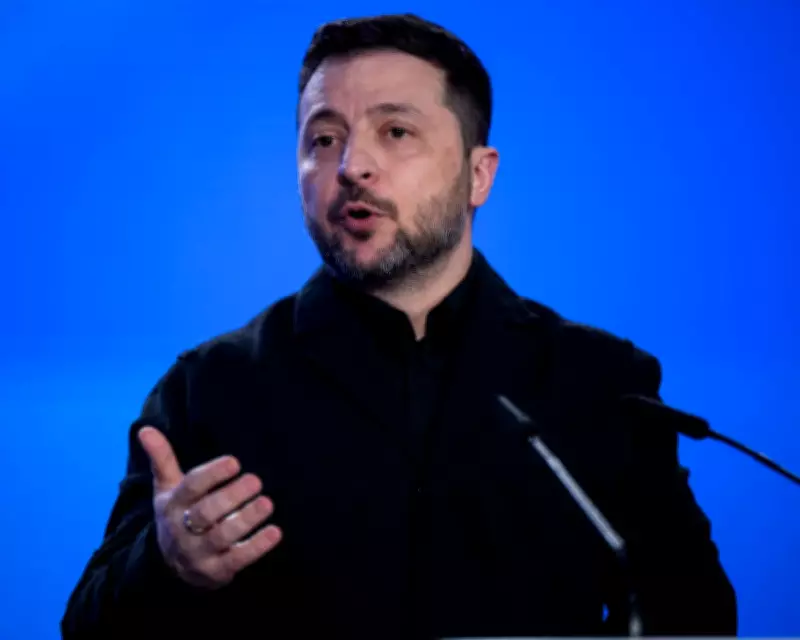
The European Union is facing heightened internal tensions as member states debate the efficacy and future of sanctions against Russia, with the conflict in Ukraine showing no signs of abating. Key figures, including Ukrainian President Volodymyr Zelenskyy and Hungarian Prime Minister Viktor Orban, are at the forefront of this diplomatic struggle, highlighting divergent views on how to respond to Russian aggression.
Zelenskyy Advocates for Stronger Measures
President Zelenskyy has been vocal in urging the EU to implement more robust sanctions, arguing that current measures have failed to deter Russian President Vladimir Putin. He emphasizes the need for a unified European front to support Ukraine's sovereignty and security, citing ongoing military engagements and humanitarian crises. Zelenskyy's appeals come as Ukraine enters a critical phase in the war, with reports of continued fighting and diplomatic efforts to secure international backing.
Orban's Opposition and EU Divisions
In contrast, Hungarian Prime Minister Viktor Orban has expressed skepticism about the effectiveness of sanctions, advocating for a more cautious approach that prioritizes dialogue with Russia. Orban's stance has sparked controversy within the EU, with some member states accusing Hungary of undermining collective action. This division underscores the challenges in maintaining a cohesive European policy, as countries weigh economic interests against geopolitical pressures.
Germany and China's Roles Under Scrutiny
The debate extends beyond Europe, with Germany's position as a key EU player coming under scrutiny. German leaders, including figures like Friedrich Merz, are navigating complex domestic and international pressures, balancing support for Ukraine with economic ties to Russia. Meanwhile, China's role, under President Xi Jinping, is being closely watched, as Beijing's stance on the conflict could influence global dynamics. European officials are monitoring China's diplomatic moves, concerned about potential shifts in alliances that might affect the war's outcome.
Ongoing Diplomatic Efforts and Future Implications
As the conflict continues, diplomatic efforts are intensifying across Europe, with talks aimed at finding a resolution or at least mitigating the war's impact. The EU is considering various options, from tightening existing sanctions to exploring new economic and political measures. The outcome of these discussions could have far-reaching implications for European security, international relations, and the global order, making this a pivotal moment in the ongoing crisis.