EU Gathers Amid Controversial Ukraine Peace Proposal
European Union foreign ministers are convening for an urgent meeting in Brussels this morning, facing mounting pressure over a clandestine draft plan to end the war in Ukraine. The proposed framework, which has sparked widespread alarm, is reportedly based on terms that would effectively amount to Kyiv's capitulation to Russia.
The Contentious 'Peace' Plan
The draft plan was allegedly developed by Donald Trump’s envoy, Steve Witkoff, and Kremlin adviser Kirill Dmitriev. It outlines draconian measures that would grant Russia unprecedented control over Ukraine's military and political sovereignty. Many observers in Kyiv are likely to view any agreement under these terms as a total surrender.
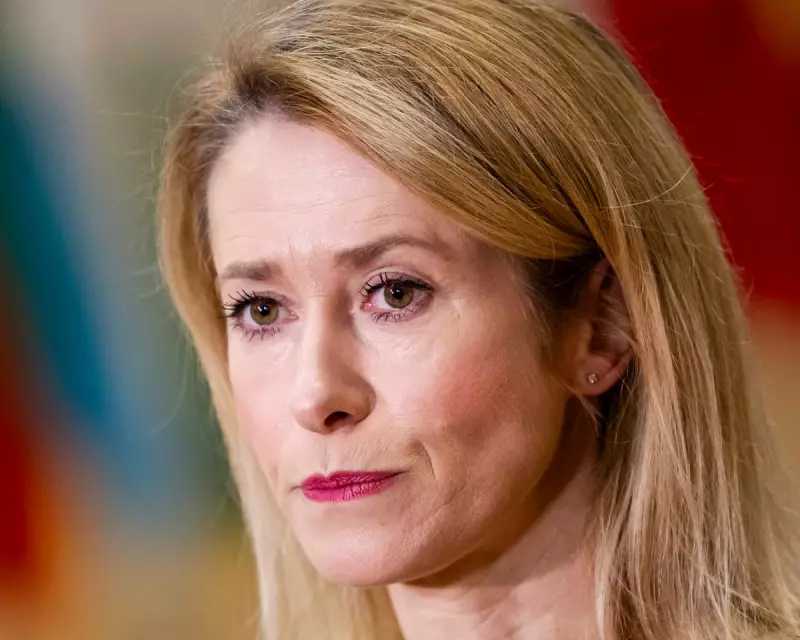
Arriving at the crucial meeting, EU foreign policy chief Kaja Kallas stated the European position clearly. "What we as Europeans have always supported is a long, lasting and just peace, and we welcome any efforts to achieve that," she said. "Of course, for any plan to work, it needs Ukrainians and Europeans on board, so this is very clear."
Kallas emphasised the fundamental nature of the conflict, noting there is "one aggressor and one victim." She pointedly questioned Russia's commitment to peace, highlighting that Moscow could have agreed to an unconditional ceasefire long ago. Instead, she revealed that 93% of Russian targets have been civilian infrastructure, including schools, hospitals, and apartment buildings, aimed at causing maximum suffering. She also confirmed that, to her knowledge, no European leaders were involved in preparing this controversial proposal.
European Reactions and Divisions
The EU meeting unfolds as Ukraine mourns the loss of 26 people killed in a Russian strike on Ternopil, with a further 22 individuals still missing, underscoring the brutal reality of the ongoing conflict.
Within the council, positions varied. The French foreign minister, Jean-Noël Barrot, insisted that peace in Ukraine could not mean "capitulation" for Kyiv. He advocated for discussions beginning with a ceasefire on the contact line to allow for orderly negotiations on territories and security.
Spain’s José Manuel Albares echoed this sentiment, insisting that any credible peace plans for Ukraine must involve Kyiv and the EU directly.
However, not all member states presented a united front. Hungary’s Péter Szijjártó struck a dissenting note, arguing that the EU should immediately stop payments to what he termed a "war mafia" in Ukraine. He warned that it is an "illusion to say that the time is on the side of Ukraine," signalling a clear divergence from the consensus supporting continued aid to Kyiv.